Security | Threat Detection | Cyberattacks | DevSecOps | Compliance

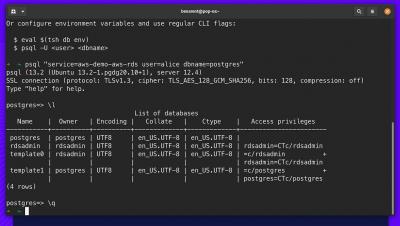
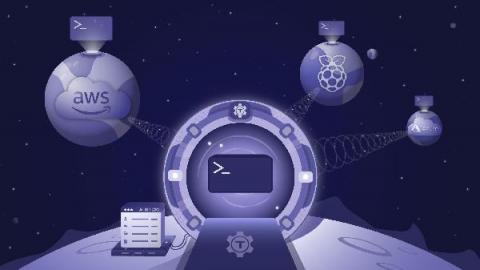
Teleport Compared to AWS SSM Session Manager

Amazon’s AWS Systems Manager, better known as SSM to long-time AWS users, was announced at the end of 2017, replacing the similarly named EC2 Systems Manager that had launched a year prior. Similar to other AWS products, System Manager provides a broad spectrum of features instead of a focused and opinionated product.
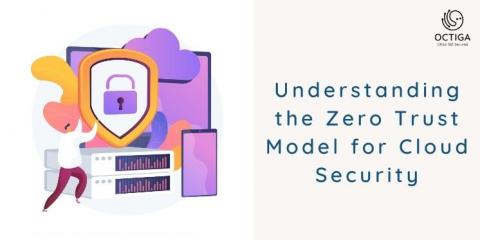
Zero Trust Model for Cloud Security

(Guest Blog) For decades, companies have relied on perimeter protection solutions to restrict their digital resources. These included passwords to authenticate users, intrusion detection systems and firewalls. With time, passwords became inadequate in preventing unauthorized access, and most shifted to two-factor authentication systems like one-time SMS codes or tokens. This change significantly enhanced security, but the approach only focused on securing the perimeter.

Cloud Threats Memo: Protecting Against Hancitor Distributed Through Malicious Office Documents

Hancitor (AKA CHanitor, Tordal) is a popular macro-based malware distributed via malicious Office documents delivered through malspam. In the latest campaigns, particularly active between October and December 2020, the malware has been distributed via DocuSign-themed emails asking the victims to review and sign a document. The fake DocuSign link downloads a Microsoft Word document whose malicious macro, once enabled, installs the Hancitor malware.

In Search For a Perfect Access Control System

Every cloud has its own identity and access management system. AWS and Google use a bunch of JSON files specifying various rules. Open source projects like Kubernetes support three concurrent access control models - attribute-based, role-based and a webhook access control, all expressed using YAML. Some teams are going as far as inventing their own programming language to solve this evergreen problem.

Key Differences Between a Public and a Private Cloud

Cloud security. Cloud architecture. Cloud storage. As you start scaling your business, you know “the cloud” is an important element of your IT capabilities. But, it can be a little confusing to understand the ins and outs of “the cloud” — especially when it comes to using cloud-based tools for your company to work remotely. Before we get into private vs public clouds, let’s quickly establish what we mean by cloud computing.