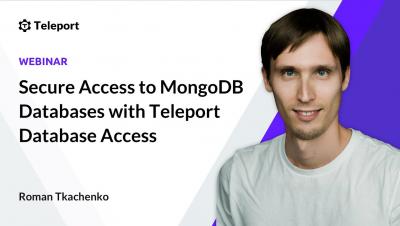
Secure Access to MongoDB Databases with Teleport Database Access
An on-demand webinar covering Teleport Database Access.


Malware detection is an important part of the Netskope Security Cloud platform, complete with a secure access service edge (SASE) architecture, that we provide to our customers. Malware is malicious software that is designed to harm or exploit devices and computer systems. Various types of malware, such as viruses, worms, Trojan horses, ransomware, and spyware, remain a serious problem for corporations and government agencies.
Cloud technology is a powerful tool with unmeasurable potential. Across the globe, companies are harnessing the cloud to propel their business solutions. However, there are always some companies that cannot entirely shift their solutions to the cloud. Thanks to the hybrid cloud model, companies house some of their solutions on their on-premises servers and store the rest of them in the cloud. Most companies have adopted the hybrid cloud model, as it suits both conventional and new-age operations.
Healthcare organizations still seem to think that blocking all access to unapproved cloud storage or cloud collaboration tools means that they’re preventing leakage of sensitive information. But as the old saying goes, “Data flows like water.” Eventually, it’s going to find the holes and escape. Even if a healthcare IT system has water-tight data controls, that’s not the only goal within the organization—and not even the most important one.
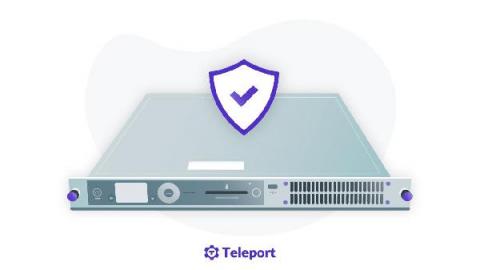
HSM stands for hardware security module. HSMs are hardware devices. They can be quite small and plugged into the main board of a computer, or they sit side by side in a server rack. They store sensitive data such as private keys. HSMs do not allow you to read that sensitive data back; instead, they expose only cryptographic operations like signing of certificates or encrypting data. This provides stronger protections for storing private keys compared to disks or databases.
Every once in a while, an industry term will get overused by marketing to the point of becoming a cliche. I think “Zero Trust” may have reached this threshold. In some ways, I understand why this is happening. Security perimeters have become obsolete as people use mobile devices and cloud applications to work from anywhere.