Security | Threat Detection | Cyberattacks | DevSecOps | Compliance

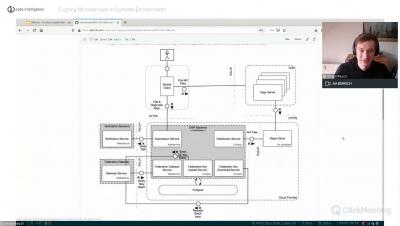
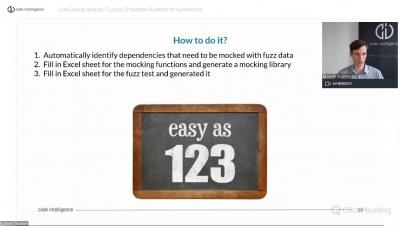
Fuzz Testing in International Aerospace Guidelines

For obvious reasons, civilian aerospace is steeped in safety regulations. Long-standing international governing bodies mandate and oversee the specification, design, and implementation of civil avionics such that failure conditions that could lead to safety hazards are identifiable, assessed, and mitigated.

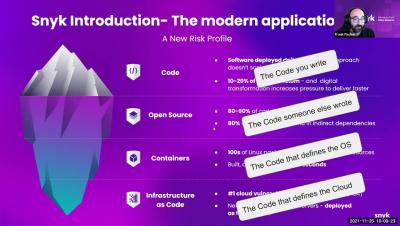
Exploring the advanced technologies behind Snyk Code

Snyk Code is the static application security testing (SAST) solution from Snyk, and it introduces some revolutionary technologies into the SAST space. It is based on the research and technologies developed by a spin-off from the ETH (Zurich/Switzerland), DeepCode which joined Snyk at the end of 2020.

Introduction to SAST

DevSecOps means countering threats at all stages of creating a software product. The DevSecOps process is impossible without securing the source code. In this article, I would like to talk about Static Application Security Testing (SAST). As development fluency is growing every year, many companies are introducing DevSecOps. Its main message calls for ensuring continuous safety control at every stage of product creation. At the same time, DevSecOps processes are automated as much as possible.

Application Security Testing Evolution and How a Software Bill of Materials Can Help

Early in my career, I developed web applications. At the time there were practically no frameworks or libraries to help. I was coding with Java using raw servlets and JSPs – very primitive by today's standards. There was no OWASP Top 10 and writing secure code was not something we paid much attention to.

Snyk Code CLI support now in public beta

Snyk is on the mission to make Static Application Security Testing (SAST) tools work for developers throughout the DevOps pipeline. Snyk Code scans in real time with high accuracy — and it does it right from the tools and workflows developers are already using. For example, the IDE plugins for IntelliJ, PyCharm, WebStorm, and Visual Studio Code make it easy to code, scan and fix even before code hits the version management.

Featured Post

Dev-first SAST: Increase your developer productivity while staying secure

Static application security testing (or SAST) used to be a term coined by the security team, to help developers test their code early in the software development life cycle (SDLC). Unlike dynamic testing, it does not require a working application, which allows developers to identify security vulnerabilities while they code, so they can spot them as soon as they appear and fix them when it's easiest and fastest to do so. This cuts down their future workload by decreasing the backlog of issues they'll have to address later.