Security | Threat Detection | Cyberattacks | DevSecOps | Compliance

The Latest Cybersecurity News & Insights From Around The World



The CISO's Checklist: How to Evaluate an API Security Platform
API Security Evaluation Checklist In the first half of 2025, APIs have emerged as the primary focus for attackers. Unlike traditional broad attacks on websites, threat actors are increasingly exploiting vulnerabilities and launching DDoS attacks on APIs, which are often harder to secure and manage at scale. Key insights from the State of Application Security Report H1 2025.
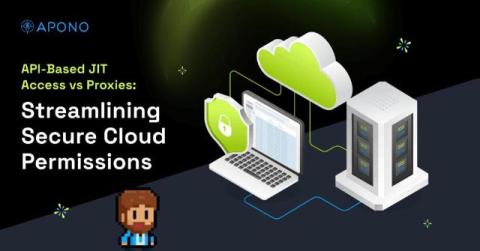
APIBased JIT Access vs Proxies: Streamlining Secure Cloud Permissions
Breaking down the trade-offs between API integration and proxy gateways for modern access management The way organizations manage access has fundamentally shifted. In the past, infrastructure was mostly static—centralized data centers, long-lived servers, and predictable traffic patterns. You could rely on VPNs, firewalls, and a fixed set of roles in your identity provider. Access paths were clear, and change was infrequent. But that’s no longer the case.
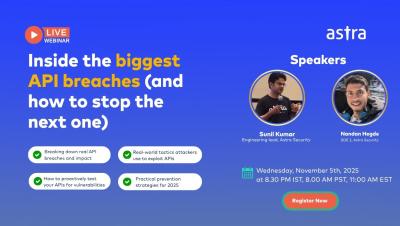
Inside the biggest API breaches (and how to stop the next one)
APIs power the modern digital world — but they’re also the fastest-growing attack surface. In this webinar, we break down the biggest API breaches, their root causes, and how they could have been prevented. What's covered: Featuring: Live insights and a product demo by the Astra Engineering Team.
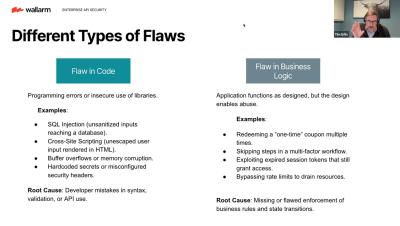
The Business of API Security: Unpacking the Q3 API ThreatStats Report
Q3 provided us with another opportunity to dig into API vulnerabilities, exploits, and breaches. We'll dive into the details, picking out the trends that impact how you defend your APIs. This quarter's report includes a special focus on business logic abuse. Join the webinar to learn.
When APIs Become Attack Paths: What the Q3 2025 ThreatStats Report Tells Us
Wallarm’s latest Q3 2025 API ThreatStats report reveals that API vulnerabilities, exploits, and breaches are not just increasing; they’re evolving. Malicious actors are shifting from code-level weaknesses to business logic flaws, from web apps to partner integrations, and from REST to AI-powered APIs. Here’s what stood out this quarter, and what security leaders should do about it.

The API vulnerabilities nobody talks about: excessive data exposure
TLDR: Excessive Data Exposure (leaking internal data via API responses) is the silent, pervasive threat that is more dangerous than single dramatic flaws like SQL Injection. It amplifies every other API vulnerability (like BOLA) and happens everywhere because developers prioritize speed over explicit data filtering. Fixing it means systematically checking hundreds of endpoints for unneeded PII and sensitive internal data.

API Attack Awareness: Business Logic Abuse - Exploiting the Rules of the Game
As Cybersecurity Awareness Month continues, we wanted to dive even deeper into the attack methods affecting APIs. We’ve already reviewed Broken Object Level Authentication (BOLA), injection attacks, and authentication flaws; this week, we’re exploring business logic abuse (BLA). Unlike technical flaws, business logic flaws exploit how an API is designed to behave.


After the AWS Outage: How to Build Systems That Survive
When AWS goes down, the ripple effects are global, from authentication failures to service disruptions that bring businesses to a standstill. But while every outage makes headlines, the real question is: Why are so many organizations still unprepared? In this live fireside chat, Wallarm’s Field CTO, and STO of Security Edge, Tim Ebbers, unpacks the architectural lessons behind the latest AWS outage — and what engineering, DevOps, and security leaders can do today to prevent history from repeating itself.