The SecurityScorecard Threat Research, Intelligence, Knowledge, and Engagement (STRIKE) Team has conducted further research into the indicators of compromise (IoCs) that SysAid shared when disclosing a new vulnerability in its on-premise software last month.
Securing C/C++ applications has been a massive challenge historically. Until today, many organizations using C/C++ have had to rely on a niche, single-language tool that, while decent at finding vulnerabilities, requires code to be compiled before scanning, slows down developers with clunky integrations, and provides vulnerability alerts that do not help developers to remediate the issue.
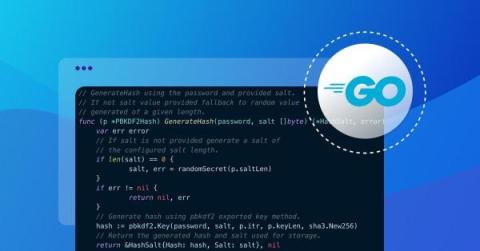
User credentials are the information required to authenticate a user's identity and grant them access to a system or application. Typically, this includes a username or email address and a password. While a username can be stored as plaintext in a database, sensitive information like email addresses or passwords should not. If a malicious actor gains access to your database where you store this information, you don't want to hand over this information to them easily.
Effective security programs promote collaboration between developers and security teams. Many organizations aim for a seamless developer experience that allows security teams to build guardrails directly into dev workflows, breaking down silos, and promoting collaboration between these departments.
Snyk, the leader in developer security, is excited to share that we’ve been named Customers’ Choice in the 2023 Gartner Peer Insights Voice of the Customer for Application Security Testing for a second consecutive year. Gartner defines the Application Security Testing category as products and services designed to analyze and test applications for security vulnerabilities. This distinction is based on meeting or exceeding user interest, adoption, and overall experience.
Stepping in 2024, the dynamics of open source vulnerability management are shifting. Rapid changes to software development demand a more nuanced approach to open source security from practitioners. From redefining risk to the cautious integration of auto-remediation, here are the pivotal recommendations for successful open source vulnerability management in 2024 and beyond.
Access control is crucial for modern web development as it enables the management of how users, processes, and devices should be granted permissions to application functions and resources. Access control mechanisms also determine the level of access permitted and manifest activities carried out by specific entities. Broken access control vulnerabilities arise when a malicious user abuses the constraints on the actions they are allowed to perform or the objects they can access.
With the proliferation of CVEs (Common Vulnerabilities and Exposures), we have witnessed a remarkable surge in associated risks over the past five years. 2022 was a record-breaking year with 25,096 new CVEs found, the most discovered CVEs ever. Unfortunately, 2023 is on track to beat that record.