UpGuard Vendor Attributes Demo // Harsh Budholiya, Product Marketing Lead
Learn from UpGuard's Product Marketing Lead, Harsh Budholiya, as he introduces you to UpGuard's new Vendor Attributes feature.


A secure password contains randomized letters, numbers and characters with a minimum length of 8 characters. Memorizing strong passwords can be difficult which is why passwords are often reused. While reusing passwords makes it easier for you to remember, it also makes it easy for cybercriminals to gain access to your personal data. To prevent your data from falling into the wrong hands, it is important to learn the best practices that will ensure your passwords are secure.
Few Indian businesses are included in the ever-increasing list of major data breaches. But data suggests that this streak of luck could soon be reaching its end. Increasing third-party security risks and a deficiency of security controls addressing them create the perfect conditions for a large-scale global supply chain attack facilitated by breached Indian business.
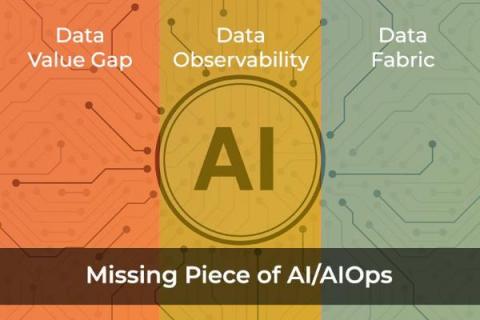
Egnyte has been developing and using AI technology with Machine Learning (ML) for quite some time. We use it internally to detect sensitive information for our customers so that policies can be put in place to protect that information, and we continue to find new ways to implement these models to better support our customers.
Creating Java applications is great, and many resources are available. To speed up development, many folks use frameworks and libraries that do some of the heavy lifting. When looking at modern Java applications, almost all of them contain dependencies from libraries developed by someone else. Dependencies take up about 80 to 90 percent of the binary — so, we should take good care of them when creating a Java project.