Security | Threat Detection | Cyberattacks | DevSecOps | Compliance

The Latest Cybersecurity News & Insights From Around The World

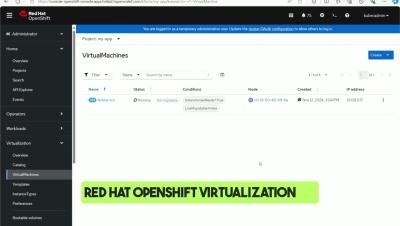
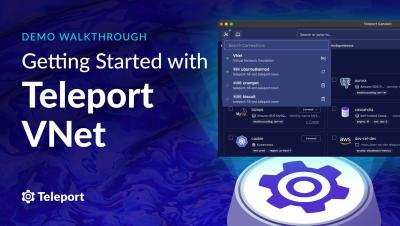
Teleport VNet Demo - The Better VPN for Secure Access
Teleport VNet automatically proxies connections from your computer to TCP apps available through Teleport. "Just turn it on!" In this video, I'll explain how Teleport VNet works, I'll give you some practical examples, and share what's coming soon.

Nightfall Product Updates & News: May/June 2025
Sensitive data is zooming across dozens of platforms every day, from Slack to email to gen AI platforms and many more sources. We all need this connectivity to stay productive, but the connectivity also creates countless opportunities for data to slip through the cracks. A single misplaced email attachment can end up exposing confidential information in a matter of seconds.

Total MDR: Real-Time Security for the Whole Attack Surface
Most security tools generate alerts and leave the rest to you. Organizations are already drowning in noise, short on time, and stretched thin on security staff. WatchGuard Total MDR replaces noise with action by delivering the response your team doesn’t have time for. This fully managed, 24/7 MDR service continuously monitors detections across your environment across endpoint, network, identity, and cloud to take real action when threats strike.

Why AI Trust Will Shape Your Next Decade of Software Development
AI is often compared to electricity, but without trust, it’s just a live wire. As organizations adopt AI to move faster, reduce manual effort, and push the boundaries of what’s possible, one truth is becoming clear: trust in AI isn’t optional. It’s foundational. And for software development teams, AI Trust is now the north star that guides safe, scalable innovation.

What is DMARC? DMARC Records and Their Role in Cybersecurity
In the current digital landscape, email security has become ever more important as cybercriminals frequently exploit vulnerabilities in email architectures to launch phishing attacks, steal sensitive information, and spoof legitimate domains. Since 2012, DMARC has become a cornerstone of modern email security, reducing the cyberattacks that occur via phishing and spoofing attacks in the process.
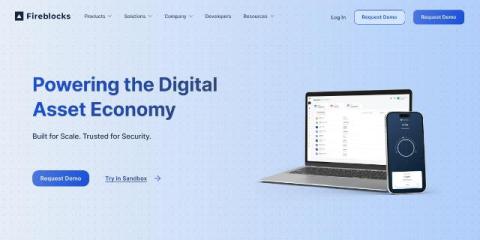
Embedded Wallets: Build Self-Custody Wallets in Just Days
Digital wallets are the gateway to on-chain applications—and the expectations for how they’re delivered have changed. Product and engineering teams want more speed, less complexity, and full control over the user experience. They’re looking to test in hours, and go live this week. That’s exactly why we launched Embedded Wallets: a faster, lighter way to deploy white-labeled, secure self-custody wallets inside any app or service. No backend dependencies. No weeks-long integration.

Elastic named a Leader in The Forrester Wave: Security Analytics Platforms, Q2 2025
We’re excited to share that Elastic has been named a Leader in The Forrester Wave: Security Analytics Platforms, Q2 2025. At Elastic, we believe security starts with the data. Elastic Security enables teams to detect, investigate, and respond to threats at scale, without lock-in or limits — powered by the speed and flexibility of Elasticsearch — and is grounded in a commitment to openness, innovation, and customer control.

Revenge, Fame, and Fun: The Motives Behind Modern Cyberattacks
Ever wondered what really drives today's cyberattacks? It's not always just about stealing data or demanding a ransom. Motives can vary widely depending on the attacker, their intent, and their capabilities. In the most simple terms, a cyberattack is a malicious intent to access, steal, expose, or destroy data and systems without authorized access. Every attack typically involves a motive or goal, a method of execution, and a vulnerability that's exploited to achieve the intended outcome.

Enhancing the Skills and Threat Detections of In-House SOCs and Security Teams
You've made the investment. Microsoft Defender XDR is deployed across your endpoints while Sentinel aggregates logs and generates alerts. Your security operations team completed initial training and familiarized themselves with the new tools. On paper, you have a modern security operation powered by Microsoft's robust security stack.