Learn how to integrate Jit with GitHub to start scanning your codebase for security vulnerabilities, while implementing continuous scanning for newly introduced vulnerabilities.
When it comes to securing applications in the cloud, the challenge isn’t detecting potential security issues. There are hundreds of application security tools and cloud security tools that are capable of surfacing code flaws and security misconfigurations that could lead to vulnerabilities. The real challenge is empowering development teams to adopt these tools to consistently improve the security posture of their services.
David Hendri, Solvo’s CTO & Co-founder, and David Melamed, Jit’s CTO & Co-founder, discuss the shift from traditional software security to modern cloud environments. They cover how cloud visibility, automation, and vulnerability prioritization improve security without slowing developers and share insights on future trends, including AI’s impact on cloud security.
While code and cloud security scanners are great at identifying code flaws and cloud misconfigurations, they can bombard developers with long lists of potential security “issues” – many of which don’t introduce real risk. Whether insecure code introduces real risk depends on a number of factors, like whether it is being deployed to production, is exposed to the internet, or calls a sensitive database.
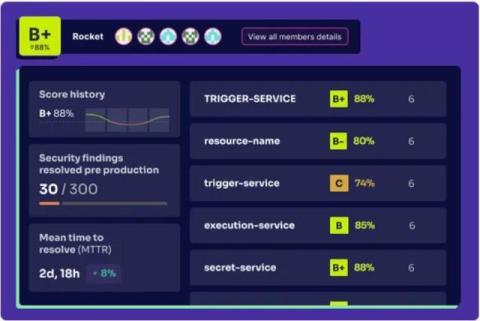
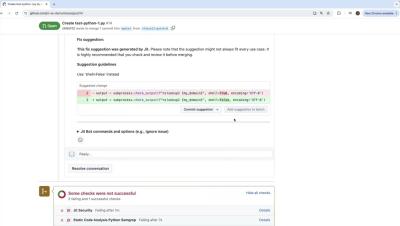
With Jit, developers don't need to be security experts to consistently and independently resolve code security issues before production. Learn how Jit's unique developer UX improves product security posture without slowing developers down.
Today, I’m thrilled to announce Jit’s full support for GitLab, which will significantly expand our ability to execute our mission to empower every developer to secure everything they code. This new integration will provide all of the same benefits that we’ve been delivering to our customers on GitHub for years, including: If you’re on GitLab, check out the guidelines below to quickly realize these benefits.