Today, we’re excited to share that Cloudflare has acquired Human Native, a UK-based AI data marketplace specializing in transforming multimedia content into searchable and useful data.
New research shows that organisations modernising apps are 3x more likely to see AI payoffs, while those clinging to legacy systems face rising security risks and developer talent shortages.
Report details key milestones in helping secure democratic elections worldwide, protect independent journalism and non-profits from AI scraping, and create a more sustainable Internet.
In this end-of-year episode of This Week in NET, host João Tomé is joined by Omer Yoachimik, Senior Product Manager for DDoS Protection at Cloudflare, to break down the realities of the 2025 DDoS threat landscape — and what’s coming next.
Partnership projected to reduce latency for AI inference workloads by up to 80 percent, establishing a truly global, high-performance AI Cloud for the developer community.
Cybercriminals don't care about borders. So why do we have 12 different regulatory frameworks for the same threat? Olivier Busolini, Group Head of Information Security at Mashreq Bank, voiced the frustration every global CISO feels: "In every country, I have 12 countries at Mashreq. In every country, there is a slightly different or sometimes vastly different requirement that I have to abide to.".
In this special Year in Review episode of This Week in NET, host João Tomé is joined by David Belson to break down the Cloudflare Radar 2025 Year in Review. Together, they explore what Cloudflare’s global network reveals about how the Internet evolved over the past year — from the rapid rise of AI crawlers and agent traffic, to record-breaking DDoS attacks, the spread of post-quantum encryption, and the growing impact of government-directed shutdowns and outages.
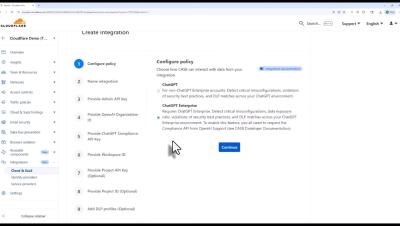
See how Cloudflare One helps you manage the security posture of GenAI tools like ChatGPT, Claude, and Gemini. This demo highlights: API integrations: Available for ChatGPT, Gemini, and Claude, and most popular SaaS apps 0:18 Posture findings: Scan for misconfigurations, unauthorized activity, and other security issues 0:50 Shadow AI discovery: Find what third-party AI apps access your SaaS tools 1:15.
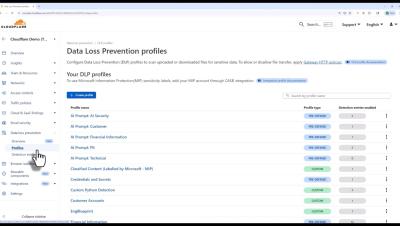
See how Cloudflare One helps protect sensitive data when users interact with generative AI apps. This demo highlights secure access service edge (SASE) capabilities including: Data loss prevention (DLP) detections for sensitive content (e.g., PII, source code, financials) 0:22 Detections for data at rest in AI tools like ChatGPT 1:00 Guardrails for user prompts based on intent / topic to block jailbreak attempts, code abuse, PII requests, and other risky behavior 2:12.