Security | Threat Detection | Cyberattacks | DevSecOps | Compliance

Understanding Out-of-Bounds Memory Access Vulnerabilities and Detecting Them with Fuzz Testing

Out-of-bounds memory access, also known as buffer overflow, occurs when a program tries to read from or write to a memory location outside the bounds of the memory buffer that has been allocated for it. This type of vulnerability is particularly dangerous because it can lead to various issues, including crashes, data corruption, sensitive data leaks, and even the execution of malicious code.

Detecting Out-of-Bounds Memory Access, Which Caused The Crowdstike's Incident

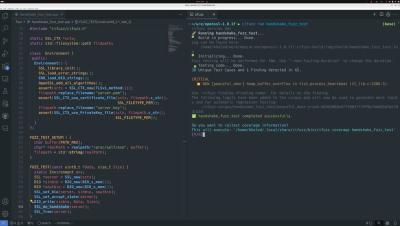
The Crowdstrike incident is a recent example of out-of-bounds memory access in C/C++ causing a crash. CrowdStrike reported that problematic content in Channel File 291 triggered an out-of-bounds memory read, leading to a Windows operating system crash (BSOD). Another critical example with the exact root cause is the Heartbleed vulnerability, which affected the OpenSSL library. Remarkably, fuzz testing could identify this issue in less than 10 seconds. Watch the video to see fuzz testing in action.

The V-model and its role in testing embedded software

Embedded software development presents unique challenges due to its close integration with hardware, strict real-time requirements, and the need for high reliability and safety. The V-Model, also known as the Verification and Validation model, offers a structured approach that effectively addresses these challenges. This blog post delves into the V-Model's intricacies and elucidates how it enhances the testing of embedded software.

Top 5 reasons to fuzz embedded systems

One of the most effective security testing methods for embedded systems is fuzz testing. It’s the fastest way to identify memory corruption errors and their root cause. It enables a shift-left testing approach, recommended by many industry standards, and reaches up to 100% code coverage. Read on for the details.

From simulation to success: the impact of fuzzing in software-in-the-loop testing

Software-in-the-loop (SiL) testing is a pivotal method in the software development lifecycle, especially for embedded systems and critical applications. By simulating real-world conditions and integrating software components within a controlled virtual environment, SiL allows for the early detection of bugs, ensuring higher code quality and reliability. Read on to learn how to introduce SiL testing in your project.

FDA's cybersecurity requirements for medical devices and when to comply with them

The United States Food and Drug Administration (FDA) is a federal agency within the Department of Health and Human Services. The FDA is responsible for protecting and promoting public health through the control and supervision of medications, vaccines, biopharmaceuticals, medical devices, and other types of products. To ensure the safety and security of medical devices, the FDA supports a variety of standards and guidelines that medical device manufacturers are highly recommended to follow.

How AI adoption throughout the SDLC affects software testing

With AI finding adoption throughout all stages of the development process, the SDLC as we know it is becoming a thing of the past. Naturally, this has many implications for the field of software testing. This article will discuss how the SDLC has evolved over time, going into detail on the impact that AI adoption is having on both software development and software testing.