Security | Threat Detection | Cyberattacks | DevSecOps | Compliance


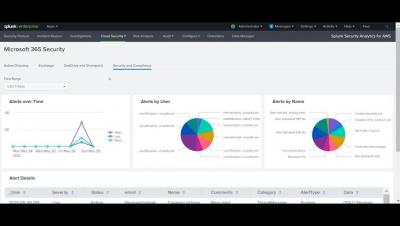

Splunk Mobile - Backend Summary (in 60s)

Threat Advisory: Telegram Crypto Botnet STRT-TA01
The Splunk Threat Research Team (STRT) has detected the resurface of a Crypto Botnet using Telegram, a widely used messaging application that can create bots and execute code remotely. The STRT has identified attacking sources from China and Iranian IP addresses specifically targeting AWS IP address space. The malicious actors behind this botnet specifically target Windows server operating systems with Remote Desktop Protocol.

Splunk
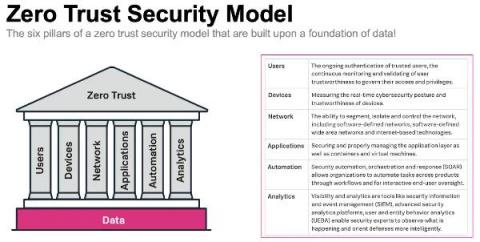
A Zero Trust Security Approach for Government: Increasing Security but also Improving IT Decision Making
Public sector organisations are in the middle of a massive digital transformation. Technology advances like cloud, mobile, microservices and more are transforming the public sector to help them deliver services as efficiently as commercial businesses, meet growing mission-critical demands, and keep up with market expectations and be more agile.
Trickbot Detections: Threat Research Release, July 2021
Criminal gangs are constantly improving their ways of delivering malicious code to victims. The delivery of this code is fundamental in order to subsequently install payloads that maximize the effect of exploitation and allows them to move laterally, and install further crimeware to quickly reap profits such as crypto mining, ransomware, data exfiltration, or even more sophisticated payloads such as banking fraud web injects.
What is Splunk Security Analytics for AWS?
Conti Threat Research Update and Detections
The Splunk Threat Research team has researched two of the current payloads involved in these heinous campaigns against healthcare and first responder organizations such as Conti & REvil. In the first blog, we explored the REvil ransomware group and in this blog, we will explore Conti.