Security | Threat Detection | Cyberattacks | DevSecOps | Compliance



Using Datalog to Test for Access
This summer, I was fortunate enough to get an internship at Teleport. Being part of the co-op program at the University of Waterloo, I have worked at many different companies before, and this internship will be my fourth placement as I finish my first term of the third year. The project that I was assigned to was an interesting one.
Okta Directory Security Hardening using Terraform
In this article I will show how to secure your Okta directory so it’s ready to grant access to servers and other highly sensitive resources. There are 4 levels of Okta directory system security maturity we will walk through how to implement.
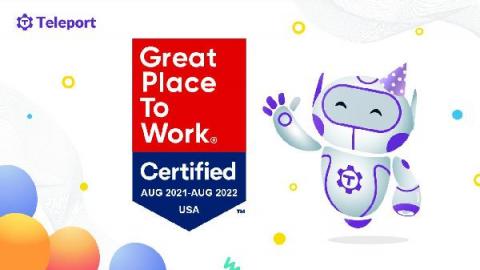
What Makes Teleport a Great Place to Work
August has been a great month for Teleport. Our Series B round of funding , led by Kleiner Perkins, plus the arrival of secure MongoDB access with Teleport 7.0 is cause enough for celebration. In addition, Teleport has been officially Certified™ by Great Place to Work ®. This prestigious certification is based entirely on feedback from current employees; this year, an incredible 100% of our team members told us we are a great place to work.
Setting up Teleport Database Access for MongoDB
Preview: Secure Access for MongoDB using Teleport Database Access

Teleport Raises $30MM Series B and Expands its Access Plane Technology with MongoDB Support
Teleport, an Access Plane company, is announcing today that it has secured $30M in Series B funding. The company also released its latest version of its offering, Teleport 7.0 – introducing identity-based access for MongoDB . This funding round is led by Kleiner Perkins and follows the company’s record-breaking quarter, with net new annual recurring revenue up 5x and total annual recurring revenue up 2.5x, compared to the second quarter of 2020.