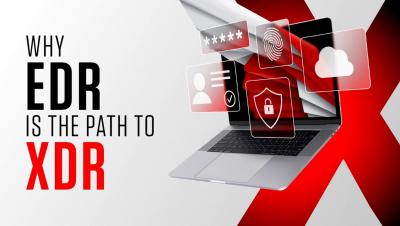
Let’s face it. The information security industry loves a new acronym. For industry long-timers, a new acronym might be just the latest reason for an eye roll. For folks new to the field, it can be very confusing. A constructive way to look at XDR — extended detection and response — is as an opportunity to take a fresh look at some old problems and gain clarity.
There is a new trope in the security industry, and it goes something like this: To keep yourself safe, you need an AI-powered solution that can act on its own, and to do that, you need to keep those pesky humans away from it. As a practitioner with a track record of bringing AI to cybersecurity — not because marchitecture demands it these days but because of its actual utility to solve security problems — I find this characterization puzzling.
The weeks following the release of the MITRE Engenuity ATT&CK Evaluation can be confusing when trying to interpret the results and cut through the noise. But one thing is crystal clear in this year’s evaluation that every organization should know: The CrowdStrike Falcon® platform stands alone in delivering native identity protection capabilities that shut down adversaries and stop the breach before it even starts.
Falcon Horizon, CrowdStrike’s Cloud Security Posture Management solution, uses configuration and behavioral policies to monitor public cloud deployments, proactively identify issues and resolve potential security problems. However, customers are not limited to predefined policies. This article will review the different options for creating custom cloud security posture management policies in Falcon Horizon.