Security | Threat Detection | Cyberattacks | DevSecOps | Compliance

Best Practices for Creating Strong Passwords You'll Remember

Making sure your password is strong yet memorable can be challenging and stressful. However, following best practices – like using passphrases, incorporating acronyms and relying on a password manager – will ensure your passwords are strong and safe. A strong password should contain at least 16 characters, with a combination of uppercase and lowercase letters, numbers and symbols.

How To Tell if There Is Spyware on Your Laptop

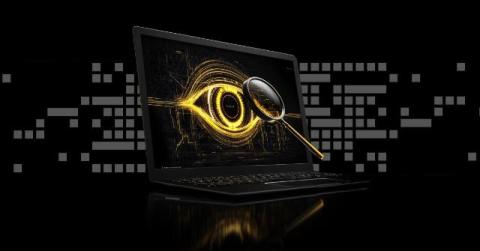
Spyware is a type of malware that can be installed on your device without your knowledge. The main goal of spyware is to spy on you and gather your private information, like passwords or credit card information. Despite spyware being elusive and undetectable at times, you can tell if there is spyware on your laptop by recognizing common signs. Some of these signs include unwanted pop-up ads, slower performance, shorter battery life and redirections on your browser.

How Do You Know if Your Facebook Has Been Hacked?

You can tell if your Facebook account has been hacked if you receive login attempt notifications, notice your account’s personal information has been changed, see an increase in suspicious messages or have trouble logging in to your account. Since Facebook accounts hold a large amount of private information, you need to recover your account quickly if it’s been hacked.

What Happens if You Call Back a Spam Number?

If you answer a spam call, you might start receiving more spam and scam calls, become a victim of SIM card swapping or get your phone number spoofed. Based on Truecaller’s findings, from July 2023 to July 2024, Americans collectively spent approximately 234,000,000 hours answering spam calls. While not every spam call is intended to deceive you like a scam call, receiving unwanted phone calls from persistent telemarketers can quickly become annoying.