This is the third of three blogs in a series to help the energy and utility industries. You can read the first blog on Ransomware and Energy and Utilities and the second blog on Threat Intelligence and Energy and Utilities as well.
Use of cyber threat intelligence in a security operations center is an essential part to attain a strong security posture. Therefore, since cyber threat intelligence is that important, understanding the general framework of it is also vital.
Use of cyber threat intelligence in a security operations center is an essential part to attain a strong security posture. Therefore, since cyber threat intelligence is that important, understanding the general framework is also vital.
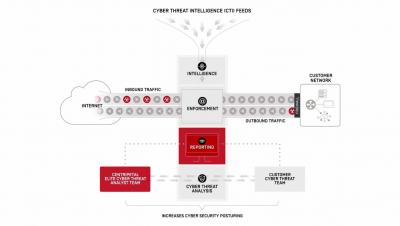
It is increasingly common to hear about cyber threats to energy and utility industries. These are malicious acts by adversaries that target our data, intellectual property, or other digital assets. All too often it seems as though energy and utility companies are put in a defensive position to battle it out with these cyber intruders. How can the industry switch to a more offensive position when it comes to understanding these threats?
SIEMs have been around for decades, designed to replace manual log correlation to identify suspicious network activity by normalizing alerts across multiple technology vendors. SIEMs correlate massive amounts of data from the sensor grid (your internal security solutions, mission-critical applications and IT infrastructure). As organizations are looking at ways to mine through SIEM data to find threats and breaches, they are bringing in threat intelligence feeds to help.
For many years, cybersecurity professionals have talked about the OODA loop. Devised by Colonel John Boyd, it describes a decision-making cycle that fighter pilots apply in dog fights, and when mastered, allows them to outwit adversaries. The acronym stands for Observe, Orient, Decide and Act, and if you can go through this decision cycle faster than your adversary, you can defeat them.
The new SANS 2021 Report: Top Skills Analysts Need to Master analyzes the need for organizations to invest in improving their security operations and identifies the skills analysts must master to support this initiative. Characterizing an analyst as essentially an investigator, the SANS report breaks the investigative process down into two primary areas: Investigative Tasks and Investigative Thinking.
As organizations continue to evolve their security operations maturity and the SOC increasingly focuses on detection and response, three capabilities are foundational for success – threat intelligence, integration and automation. In a recent webinar, “Evolution of CTI – Use Case in a Modern SOC,” ThreatQuotient’s Yann Le Borgne, together with Ben van Ditmars of Atos and Martin Ohl from McAfee tackle this topic.