With the advances in technology and an unpredictable macro environment, IT professionals have to deal with a deluge of data, increasing cyberthreats, distributed infrastructure and workforce, a mix of modern and monolithic apps and hybrid environments. Although there is significant momentum towards the Cloud, many organizations cannot move all of their data to the public cloud due to security, compliance or technical constraints.
Your organization purchased Splunk Cloud Platform some time ago. Your environment is ingesting dozens of data sources and your team has expert level SPL skills. You've created easily consumable dashboards and reports for many different types of stakeholders and you've mastered alert fatigue. Your organization's return on investment both in Splunk and Splunk education is paying large dividends in terms of time saved managing threats and improved operational efficiency.
There’s no question that the last 18 months have seen a pronounced increase in the sophistication of cyber threats. The technology industry is seeing a macro effect of global events propelling ransomware and wiperware development further into the future, rendering enterprise security systems useless. Here at Coralogix, we’re passionate about observability and security and what the former can do for the latter.
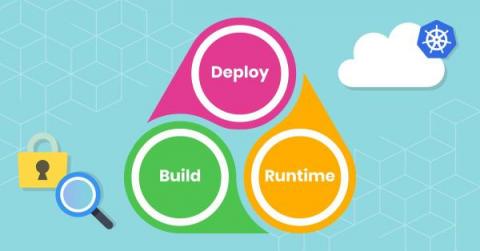
The rise of cloud native and containerization, along with the automation of the CI/CD pipeline, introduced fundamental changes to existing application development, deployment, and security paradigms. Because cloud native is so different from traditional architectures, both in how workloads are developed and how they need to be secured, there is a need to rethink our approach to security in these environments.
Observability (logs, traces, metrics) is a core tenet to building strong software systems. Logs are used to debug issues and check on system activity, traces provide valuable insights into system performance and architecture, and metrics allow engineering teams to closely track business metrics within their systems.