Security | Threat Detection | Cyberattacks | DevSecOps | Compliance

The Risks of Inadequate User Access Control in Critical Infrastructure

The ability to control and monitor who has access to critical systems is a fundamental pillar of cybersecurity. However, many organizations today struggle with fragmented identity management, leaving their operational technology (OT), industrial control systems (ICS), and/or cyber physical systems (CPS) environments vulnerable to security breaches, compliance violations, unnecessary business risks, and operational inefficiencies.

Xona and OTconnect Partner to Deliver Secure, Effortless, and Reliable OT Access

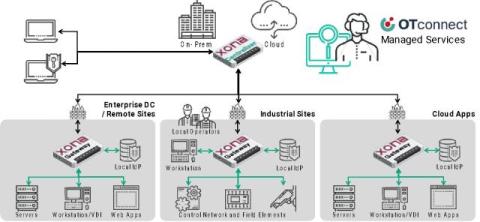
Xona, the leading provider of secure access solutions for critical infrastructure, is proud to announce a strategic partnership with OTconnect, a cybersecurity leader specializing in securing Industrial Control Systems. This collaboration brings together Xona’s cutting-edge secure access management platform with OTconnect’s hands-on cybersecurity expertise to deliver a fully managed, scalable remote access solution tailored for critical OT environments.

Cybersecurity for Electricity Distribution [2025 Update]

Electricity transmission and distribution are popular topics at the moment, especially as they pertain to utilities infrastructure security. These essential pillars of modern society are undergoing rapid digital transformation, with increased connectivity and technological sophistication harboring large-scale cybersecurity challenges.

Zero Trust Principles for Critical Infrastructure Security

The cyber threat to critical infrastructure has never been greater. The growing sophistication of cybercriminals, deteriorating geopolitical relations, and the convergence of operational technology (OT) and information technology (IT) have created unprecedented risks for critical infrastructure organizations. Fortunately, resources are available to help these organizations protect themselves.

Securing Critical Infrastructure: How KeeperPAM's Zero-Trust Architecture Protects Industrial Control Systems

The Cybersecurity and Infrastructure Security Agency (CISA) has recognized that Industrial Control Systems (ICS) and Operational Technology (OT) environments represent one of the largest threats to American critical infrastructure. The increasing convergence of IT and OT systems, combined with the rise of ransomware attacks targeting critical infrastructure and the growing sophistication of nation-state threats, has created unprecedented security challenges.

Helping the Energy Sector Navigate NERC Complexities

The energy sector is the cornerstone of modern infrastructure, powering essential services and supporting the daily operations of economies worldwide. However, it also faces unique cybersecurity challenges, particularly in complying with the North American Electric Reliability Corporation's Critical Infrastructure Protection (NERC CIP) standards.

Cyber Threats Rising: US Critical Infrastructure Under Increasing Attack in 2025

As we enter 2025, the frequency and sophistication of cyberattacks on critical national infrastructure (CNI) in the US are rising at an alarming rate. These attacks target the foundational systems that support everything from energy and water to transportation and communications, and the consequences are far-reaching and potentially catastrophic. They impact not just the operations of these services but also the very way of life for affected populations.

The Overlooked Risks of Open-Source Software in Industrial Security

Open-source software (OSS) has become an indispensable component in many industrial environments. Just last year, 95% of companies said they increased or maintained their use of OSS. According to the Linux Foundation, 70-80% of all code in any modern solution has been directly plucked from OSS solutions,. Cost-efficiency, flexibility, and expansive development community make OSS an attractive option for many organizations looking to innovate while managing budgets.

ICS Security Is a Team Sport

As we discussed in the first article in this series, there are many Internet-exposed control systems, but they are very different from traditional IT systems and require a different security approach. With these systems being so critical and controlling processes that can potentially lead to loss of life if they fail, what is being done to tackle this issue? In this article I’ll dive into this and more, looking at.

What Is the ISA/IEC 62443 Framework?

Cybersecurity threats to manufacturing and process plants come from a wide range of attack vectors, including supply chain, logistics, enterprise computing, remote connections, operator stations, programmable logic controllers, distributed control systems (DCSs), smart sensors, and new smart devices. Internet of Things (IoT) technologies offer greater connectivity and endless applications, but they make the cybersecurity landscape more complex.