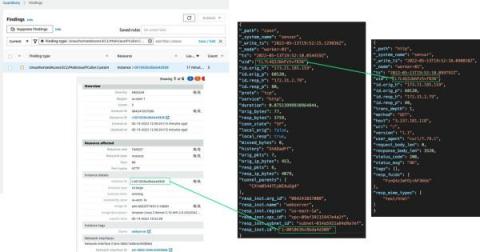
Insufficiently protected open ports can put your IT environment at serious risk. Threat actors often seek to exploit open ports and their applications through spoofing, credential sniffing and other techniques. For example, in 2017, cybercriminals spread WannaCry ransomware by exploiting an SMB vulnerability on port 445. Other examples include the ongoing campaigns targeting Microsoft’s Remote Desktop Protocol (RDP) service running on port 3389.
Security transformation doesn’t succeed without network transformation. The two go hand-in-hand when it comes to building the secure access service edge (SASE) architecture of the future, and if security degrades the network experience, or the network experience bypasses security, each of those trade-offs introduces more risk to the enterprise—it doesn’t have to be that way.
Your network, security, and cloud teams spend a lot of time and energy trying to extract timely insights from your enterprise network data, so your organization stays on top of risks and continually improves network performance. But what if they could quickly search your network environment like a database to better understand everything in it — and whether those objects were operating as they should?