Security | Threat Detection | Cyberattacks | DevSecOps | Compliance

Big Data challenges in tele-healthcare

Covid-19 pushed the boundaries of both healthcare and technology providers, and nudged people to finally embrace telehealth services. In fact, telehealth has proven to be the next frontier for the healthcare industry as it minimizes the need for in-person patient, clinic, or hospital visits which prevents overwhelming our healthcare systems. A McKinsey report shared that the use of telehealth in the US in 2021 surged 38 times compared to pre-pandemic levels.

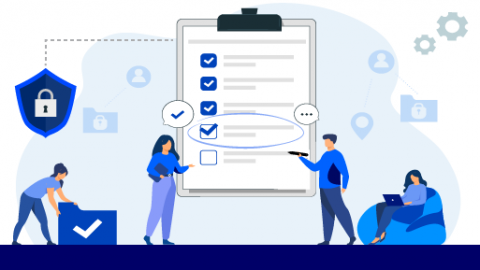
A Simplified Regulatory Checklist for Healthcare Organizations

The healthcare industry is a veritable honeypot for cybercrime, replete with vast amounts of sensitive digital information that expands in number and scope daily, including personal medical data and payment card details. This data is increasingly attractive to hackers, particularly those using ransomware to lock out organizations and hold onto sensitive information until the organization pays up.

The Top 6 Cybersecurity Challenges in the Healthcare Industry

The healthcare industry has always been an appealing target for cybercriminals. From high-value patient data to a low tolerance for downtime that could disrupt patient care, cybercriminals continue to find ways to take advantage of healthcare cybersecurity practices. In recent years, the healthcare industry has seen a 55% increase in cybersecurity threats, turning attacks on healthcare providers into a $13.2 billion industry and making it a gold mine for cybercriminals.

8 Ways to Secure the Internet of Medical Things (IoMT)

Connected devices offer healthcare providers ways to remotely monitor patient health. Additionally, hospitals use these devices for enhanced patient care, including medication delivery and vitals monitoring. However, malicious actors often use unsecured IoMT as part of their attack methodologies.

Hive Ransomware: Actively Targeting Hospitals

Most ransomware groups operating in the RaaS (Ransomware-as-a-Service) model have an internal code of ethics that includes avoiding breaching some specific sectors, such as hospitals or critical infrastructure, thus avoiding great harm to society and consequently drawing less attention from law enforcement.

Confidently deliver HIPAA compliance software with Sysdig Secure

HIPAA compliance law, the Health Insurance Portability and Accountability Act in long form, is one of the compliance standards the public and private healthcare companies need to address for building and maintaining public trust in telemedicine. During the COVID-19 pandemic, telemedicine has been the solution to withstand the excess influx to hospitals and health centers, avoiding unnecessary exposure of patients.

Break Up the IT Block Party: Facilitating Healthcare Collaboration

Healthcare organizations still seem to think that blocking all access to unapproved cloud storage or cloud collaboration tools means that they’re preventing leakage of sensitive information. But as the old saying goes, “Data flows like water.” Eventually, it’s going to find the holes and escape. Even if a healthcare IT system has water-tight data controls, that’s not the only goal within the organization—and not even the most important one.

Six data protection tips for healthcare organisations

Healthcare providers collect, process and share citizens’ most highly sensitive personal data – from names, dates of birth and contact details, to medical and financial information. The loss of this data by healthcare organisations can cause significant emotional distress to patients if private medical conditions are disclosed, and also make them more vulnerable to identity theft, fraud and further cyberattacks.

Securing IoMT devices to protect the future of Healthcare from rising attacks

The number of cybersecurity incidents reported within the healthcare industry has been steadily increasing since 2015 as the use of IoMT has become more widespread. With increasing numbers of IoMT devices being used for patient care, the attack surface among hospitals and doctors’ offices has grown dramatically as medical technology continues to expand.

Telemedicine: New Risks Born Out of Necessity

COVID-19 has severely tested the limits of our healthcare systems, pushing many hospitals to the brink of manpower and technological collapse. In fact, the pandemic has demonstrated just how quickly public health can unravel once healthcare systems reach their maximum capacity. These pressures have hastened the development of telemedicine, pushing the once-distant goal to the centre of the agenda for healthcare institutions across the globe.