Security | Threat Detection | Cyberattacks | DevSecOps | Compliance

12 Biggest Healthcare Data Breaches (Updated May 2022)

The healthcare industry suffers some of the highest volumes of cyberattacks and there are whispers of a lot more to come. Combine this trend with breach damage costs surpassing all other industries and you get the thunderous warning of a devastating cyberattack storm approaching the sector. To help healthcare entities strengthen their cyber resilience, we’ve compiled a list of some of the biggest data breaches in the healthcare industry, ordered by degree of impact.

Improve Clinical Trial Monitoring with Egnyte

Clinical trial monitors are vital to the efficient collection of high-quality data. They deploy trial information and protocol amendments from the sponsor to the sites, which ensures study progress. They also support endpoint analysis by collecting source data and by verifying adherence to the trial protocol.

Top 8 Cybersecurity Regulations and Frameworks for the Healthcare Sector

Digital transformation puts all industries at greater risk of cyber attacks, and the healthcare industry is no exception. As US healthcare organizations increase their reliance on health information technology for purposes such as data sharing, process automation, and system interoperability, their attack surface expands rapidly. This rapidly multiplying number of attack vectors increases cybersecurity risk considerably.

AT&T Cybersecurity Insights Report: A Focus on Healthcare

As healthcare organizations digitally transform themselves to better serve a post-pandemic world, the prevailing goal in the past year has been for them to safely extend health services beyond clinical walls. Be it to power everything from pop-up clinics to telemedicine, this is driving the healthcare technology stack out to the edge.

How A Leading University Hospital System Secures Patient Data With Lookout

The adoption of cloud services is steadily rising across the healthcare industry as organizations push for better access to medical data. For a leading university hospital system, the move to the cloud helped make terabytes of protected health information (PHI) accessible to their more than 40,000 employees, from medical practitioners to field researchers.

Biggest Cyber Threats in Healthcare (Updated for 2022)

The combination of poor cybersecurity practices, sensitive data storage, and a desperation to preserve business continuity at all costs, makes the healthcare industry a prime target for cybercriminals - an inevitability that was further exacerbated by the pandemic. To support the relevance of healthcare cybersecurity programs within the current cyberattack climate, the 4 biggest cybersecurity challenges in the healthcare industry are listed below.

5 ways to protect critical healthcare infrastructure from cyberattacks

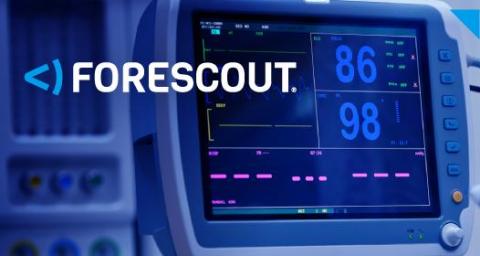
Picture this. You’re an administrator in charge of providing basic amenities and day-to-day needs across 1,000 beds in an urban multispecialty hospital. One fine morning, you notice that all the patients’ bedside monitoring systems (the computer-like devices that display patient vitals like heartbeat and blood pressure) have stopped functioning, leaving doctors and nurses in the dark.

HIPAA Password Requirements

The healthcare industry faces a plethora of serious cybersecurity risks. Indeed, 2021 saw a record number of major health data breaches in the U.S. — the breach notification portal of the U.S. Department of Health and Human Services lists at least 713 incidents affecting 45.7 million individuals. The Healthcare Insurance Portability and Accountability Act (HIPAA) is designed to help healthcare organizations reduce risks to the security and privacy of electronic personal health information (ePHI).