Security | Threat Detection | Cyberattacks | DevSecOps | Compliance

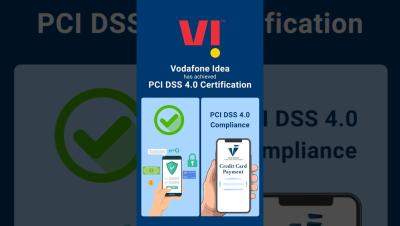
Vodafone Idea has achieved PCI DSS 4.0 Certification.

Telecom Service Provider Vodafone Idea Limited (VIL), announced that it had become the first telco in India to achieve the Payment Card Industry-Data Security Standard version 4.0 (PCI DSS 4.0) certification for its retail stores and payment channels. The PCI DSS 4.0 certification is already mandated by RBI Guidelines for banking and financial institutions in India.

A Comprehensive Guide to PCI Compliance Test

Because online shopping is so important to us now, keeping payment information safe is very important. Payment Card Industry Data Security Standard (PCI DSS) was created to protect cardholder information that is private and to stop fraud. PCI DSS must be followed by any organization that handles, saves, or sends cardholder data. A Very Important Step: The PCI Compliance Test Organizations must go through a lot of tests and evaluations to show that they follow PCI DSS.

Staying Ahead of the Curve: Preparing for the PCI DSS 11.6 Requirement

In part one of our series on PCI DSS 4.0, we covered the updates in the latest version 4.0.1 and how to operationalize those changes. In this blog we are going to dig deeper into Requirement 11.6, how to interpret the nuance and automate the current guidance. Guidance that will become a mandate in March, 2025. Let’s start with what Requirement 11.6 is and why it’s so important.

PCI 4.0.1. has arrived. Here's what you need to know about Requirement 6.4.3

As the Payment Card Industry Data Security Standard (PCI DSS) compliance standards continue to evolve, our team has been fielding a number of questions about the changes to 4.0, how to interpret them and ultimately how to get or remain compliant. We decided to create a blog series covering some of these recent changes with practical, actionable tips for getting started. Many organizations subject to PCI-DSS may not be aware that the latest version, PCI 4.0.1 has been released.

Strengthening your defenses: Aligning Firewall Analyzer with the new PCI DSS v4.0 standards

According to IBM’s 2023 Cost of a Data Breach Report, the global average cost of a data breach is $4.45 million. This includes expenses related to detection, response, and post-breach costs. Moreover, non-compliance can result in regulatory fines. For instance, GDPR violations can lead to fines of up to €20 million or 4% of the company’s annual global turnover, whichever is higher. The challenges don’t stop there.

Navigating PCI DSS 4.0: Your Guide to Compliance Success

The transition to PCI DSS 4.0 is here. The transition period from PCI DSS 3.2 ended on March 31, 2024, so businesses in all sectors must focus on aligning their practices with the new requirements. This blog will guide you through the key points discussed by PCI experts Steven Sletten and Jeff Hall in a recent webinar held by Fortra on "PCI 4.0 is Here: Your Guide to Navigating Compliance Success.".

Addressing Client-Side Risks in PCI DSS 4.0

It seems like such a short time ago that the Security Standards Council released the newest version of the Payment Card Industry Data Security Standard (PCI DSS). It has been a full year, and version 4.0 is now in effect. Industries that adhere to the Standard were given the year to implement the new changes.