Security | Threat Detection | Cyberattacks | DevSecOps | Compliance

PCI DSS compliance with SIEM, CSPM and MxDR

In a world where increasing numbers of transactions are done online, compliance with PCI DSS (Payment Card Industry Data Security Standard) is crucial. However, with more organizations turning to cloud-based service providers such as AWS, Azure or GCP, ensuring that payment data is kept completely secure is becoming more challenging.

PCI DSS Penetration Testing Guide

The Payment Card Industry Data Security Standard (PCI DSS) is a global cornerstone for safeguarding cardholder data. PCI DSS version 4.0, the most recent iteration, emphasises a dynamic, risk-based approach to security, compelling organisations to tailor their controls to their unique environments. PCI DSS penetration tests are crucial for meeting and maintaining security standards.

Don't Get Salted: Why API Inventory is Key to PCI DSS 4.0 Compliance (and How Salt Security Can Help You Achieve It)

The Payment Card Industry Data Security Standard (PCI DSS) is the gold standard for protecting cardholder data. With the recent release of version 4.0, the focus on securing APIs has intensified. But what does this mean for your organization, and why shouldn't you take API security with a grain of salt (pun intended)?

PCI DSS v4.0: What You Need to Know and What the End of v3.2.1 Means for the Future of Digital Payments

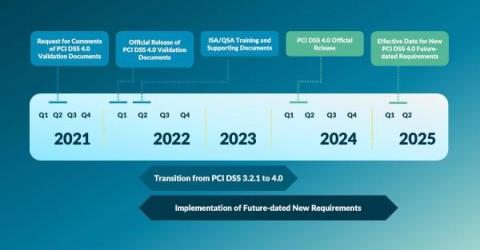
On March 31st, 2024, The Payments Card Industry Standards Security Council (PCI SSC) officially retired version 3.2.1 of the PCI Data Security Standard (PCI DSS) with the publication of its new sets of protocols and security standards for v4.0. With the continued rise in cyber threats against financial services and institutions, PCI DSS v4.0 supersedes version 3.2.1 to tackle evolving threats and technologies, facilitating enhanced approaches to counteract emerging types of cyber attacks.

Understanding PCI DSS 4.0: What You Need to Know

If you're in a business that handles credit cards, you already know how crucial it is to keep that data secure. PCI DSS is a set of compliance requirements that ensure all companies handling cardholder data keep it secure. And that it's not just a good idea—it's a must. As cyber threats become more sophisticated, it's challenging to keep pace with complex security and compliance landscapes.

User Guide: PCI 4.0 Requirement 11.6 - Detecting and Responding to Unauthorized Changes on Payment Pages with Feroot

Protecting your e-commerce platform from unauthorized changes and skimming attacks is paramount for maintaining trust and ensuring compliance with PCI DSS 4.0, specifically requirement 11.6. This guide will walk you through utilizing Feroot platform to set up effective monitoring and response mechanisms for your payment pages.

PCI DSS For Small Business

In an era where digital transactions reign supreme, ensuring the security of payment card data is paramount for businesses. This is where the Payment Card Industry Data Security Standard (PCI DSS) comes into play, serving as a crucial framework for safeguarding sensitive information and protecting both businesses and consumers from the ever-present threat of cybercrime. While it is generally associated with large businesses, it is equally important for smaller ones as well.

Preparing for PCI SSF Assessments and Audits Tips and Strategies

Welcome to our latest webinar recording on “Preparing for PCI SSF Assessments and Audits Tips and Strategies”, presented by VISTA InfoSec. This webinar provides an in-depth understanding of the Payment Card Industry Software Security Framework(PCI SSF) assessment and how to conduct audits and address the unique security challenges associated with software development and maintenance in the payment card industry.

PCI DSS Compliance For Banks

In today’s digital era, financial transactions are carried out using cards daily. It is of utmost importance for banks to ensure the safety and security of the cardholders’ data. The Payment Card Industry Data Security Standard (PCI DSS) compliance 4.0 offers essential guidelines and a framework to safeguard cardholders’ data and mitigate any potential data breaches that may occur in banks.