
Security | Threat Detection | Cyberattacks | DevSecOps | Compliance

From Directive to Deadline: Operating BOD 26-04 in the Real World

BOD 26-04 changes how federal agencies and FedRAMP providers handle vulnerabilities. It moves away from severity-based, 30-day patching and toward risk-based prioritization. In this webinar, Bob Costello (former CIO of CISA, strategic advisor to Nucleus Security, and Chief Digital and Information Officer at The Merlin Group) and Scott Kuffer (Co-founder and CPO at Nucleus Security) explain what the directive requires, why CISA built it on the SSVC decision-tree framework, and how to put it into practice.
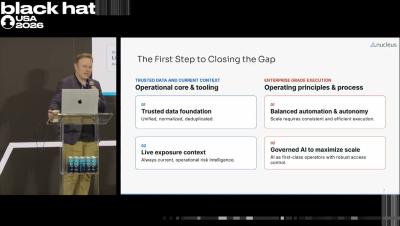
From Findings to Fixes: AI Alone Isn't Enough | Scott Kuffer | Black Hat USA 2026

Everyone is talking about using AI to fight AI. But when it comes to vulnerability management, is that really the answer? In this presentation from Black Hat USA 2026, Nucleus Security Co-founder and Chief Product Officer Scott Kuffer challenges the industry's growing obsession with AI-first security outcomes and explains why organizations need more than autonomous agents, AI-generated prioritization, and endless vulnerability discovery to reduce risk.

The Exploitability Intelligence Gap: What Security Teams Can Know Before CISA KEV

In this webinar, Nucleus Security CEO Steve Carter and Product Marketing Lead Tally Netzer break down the growing “exploitability intelligence gap” and what it means for modern vulnerability and exposure management programs. Drawing from six months of research and real-world vulnerability data, they explore how attacker timelines have compressed, why traditional reactive workflows are struggling to keep pace, and where organizations are missing critical signals before exploitation begins.

Why AI Features Don't Equal Better Vulnerability Management

AI is becoming table stakes in vulnerability and exposure management. In this candid webinar conversation, Chris Ray, Field CTO at GigaOm, and Will Gorman, CTO and leader of AI initiatives at Nucleus Security, challenge the assumption that more AI automatically leads to better outcomes.