Security | Threat Detection | Cyberattacks | DevSecOps | Compliance

Auditing Agentic Behavior for FedRAMP Compliance | Teleport

AI agents are tireless, highly capable, eager to please, but difficult to manage. George Chamales (CriticalSec) and Josh Rector (Ace of Cloud) unpack the identity and access challenges posed by agentic AI. How do you verify it was the right agent, doing the right action, approved by the right person? How do we bound, constrain, govern agentic behavior? Ultimately, the same frameworks built for human identity and access should be applied to agents.

Securing OpenClaw Access So It Can't Go Rogue

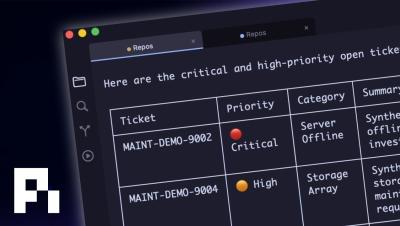
In this video, we demonstrate how to securely grant an AI agent (OpenClaw) access to Teleport-protected Kubernetes resources using Teleport Machine Identity and tbot, without exposing secrets, API keys, or long-lived tokens. You’ll see how Teleport treats AI agents as first-class identities, enforcing strict RBAC controls so the agent can only do what it’s allowed to do, like reading logs, while being blocked from sensitive actions like deleting resources or accessing secrets.

Methods for Designing AI Identity | Teleport x The Cyber Hut

Three methods for issuing identity to AI agents — and why static credentials will always eventually leak no matter how well you vault them. Ev Kontsevoy breaks down standard credentials, durable identity, and digital twins, and explains why the issuer of identity needs to be the same across your entire environment.

The Need for Infrastructure Identity | Teleport x The Cyber Hut

Most organizations have identity over here and infrastructure over there — and they don't talk. By default, infrastructure has no identity. It's naked. Ev Kontsevoy explains why bringing identity into your infrastructure stack is a prerequisite for safe AI adoption — and what a trusted state actually looks like.