Security | Threat Detection | Cyberattacks | DevSecOps | Compliance

Using Transparent Encryption to Defeat 12 Common Data Breaches

Securing the network perimeter has long since been recognised as insufficient. With today's environment of local networks, networked devices and cloud applications, organisations use security techniques such as Zero Trust, the Software Defined Perimeter and Microsegmentation to cope. These approaches and related technologies are designed to block unauthorised access to data containers, i.e. files. Control over access to files is the new security perimeter.

Healthcare organisations and the UK GDPR A four step guide to compliance

People will always make mistakes - and, unfortunately, in busy and stressful workplaces, such as hospitals and medical clinics, the likelihood of this increases. Without the right processes and technologies in place to help avoid mistakes, sensitive patient information remains at risk.

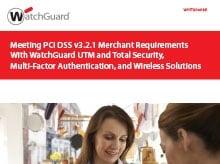
Meeting PCI DSS Merchant Requirements with WatchGuard UTM, Total Security, Multi-Factor Authentication, And Wireless Solutions

If you are in the retail or hospitality industries, it's important to know exactly how your network security solution maps to PCI DSS standards. This white paper presents a straight-forward review of PCI requirements and how the WatchGuard platform delivers the capabilities you need to ensure mandates are met.

Deploying Zero-Trust Networks in the Era of COVID-19

The coronavirus pandemic has exposed business continuity inadequacies at many organizations, and highlighted the slow pace of progress in digital transformation. This new reality necessitates a departure from a traditional network-centric security model that assumes every device and user within the network should be trusted. In this eBook we will explore how the dynamics of COVID-19 have impacted security, outline the importance of a zero-trust approach, and discuss how WatchGuard can help your business deliver the security you need during these trying times.

The Perfect Scorecard: Getting an A in Cybersecurity from your Board of Directors

Corporate board members are known for their relentless focus on the bottom line -- and with good reason. CISOs and other security executives are often mired in technical language and many times, unable to communicate the business impact that cybersecurity has on the bottom line. This helps explain why the average tenure of a CISO is roughly two years.