Security | Threat Detection | Cyberattacks | DevSecOps | Compliance

I Tested 16 AI Video Generators for Storytelling. Here's My 2026 Ranking

AI video gets much harder the moment you ask it to tell a story. A single beautiful shot can hide a lot of weaknesses. Narrative work exposes them: the character has to remain recognizable, actions need to happen in the right order, camera changes have to make sense, and the next clip should feel as if it belongs to the same world. That is why we are not ranking these tools by the prettiest demo. We care about how useful they are for building scenes, maintaining visual direction, working from references and turning multiple clips into something that feels intentional.
Common Types of Network Devices and Their Functions

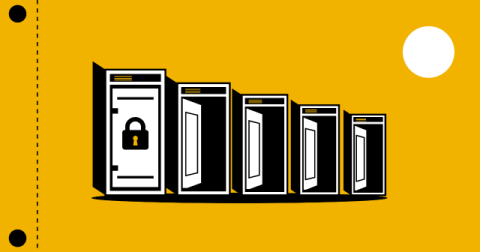
Network devices, including routers, switches, firewalls, and more, form the infrastructure that determines how data moves through a network and where security controls apply. Each type carries its own function and risk, from repeaters and switches that move traffic to firewalls and IDPS appliances that defend it. Getting the OSI layer and security implications of each device right is the foundation for a defensible network.

Who Signs the CMMC Affirmation for Your Company?

CMMC is increasingly important for any company that is even tertiary to the Department of Defense and the defense industrial base. Prime contractors are prime targets, but even two, three, four, or more steps down the chain, CMMC may be mandatory. It's all about protecting information, after all. This means a lot of businesses are looking seriously at CMMC, and a lot of high-level executives are being asked to put their names on things they might not understand at a glance.

CrowdStrike Falcon Sensor Local Privilege Escalation Zero-Day (FalconFlank)

On September 3, 2026, a security researcher known as Nightmare Eclipse/Chaotic Eclipse publicly disclosed a zero-day dubbed ‘FalconFlank’ which abuses the Office malicious macro remediation workflow in CrowdStrike Falcon Sensor. The attack leverages a time-of-check to time-of-use (TOCTOU) race condition, allowing an attacker with code execution on a vulnerable system to hijack the Falcon macro remediation routine. This results in DLL side-loading and execution as NT AUTHORITY\SYSTEM.

Identity Sprawl: Risks, Causes, and Best Practices for Enterprise Identity Management

An employee leaves the company, but their SaaS account remains active. A contractor still has access to a project workspace months after the contract ends. Someone changes departments and keeps permissions from their previous role. Meanwhile, IT is managing identities, human and non-human across multiple directories, cloud platforms, SaaS applications, and third-party tools. Individually, these accounts may seem insignificant.

How to Hide the Status Bar and the Notification Bar on Android Devices?

Android devices are designed for flexibility. Employees can check notifications, adjust connectivity, open settings, and move between apps with a few taps. That flexibility works well for personal use, but it can introduce distractions, security gaps, and usability issues when a device is dedicated to business tasks.

Best Unified Data Security Platforms for 2026: 7 Compared

Security teams comparing unified data security platforms in 2026 are no longer just choosing between DLP vendors. They're deciding how much of their data security architecture, discovery, classification, enforcement, insider risk, and AI governance should live in one system versus remain assembled and operated from separate tools. That decision has gotten harder. DSPM vendors are adding DLP. DLP vendors are adding posture management. Everyone claims AI coverage.

How Keeper Helps Enforce Zero Standing Privilege

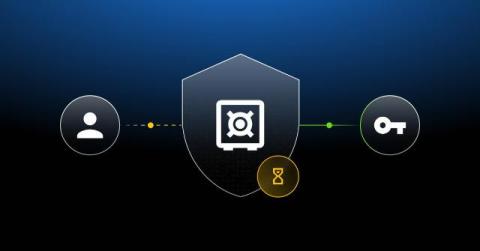
Privileged accounts are standing invitations for attackers, with credentials to steal and permissions to misuse. When administrative rights are persistently active, whether or not they’re being used, privileged accounts significantly expand the attack surface. Zero Standing Privilege (ZSP) shrinks that risk by ensuring no user holds permanent elevated access.

Stop runtime threats with Workload Protection response actions

Modern threats increasingly unfold at runtime, where attackers exploit live workloads, spawn malicious processes, and move laterally across your environment. Detecting that activity is essential, but a signal only matters if you can stop it. When a threat appears, every step before a response gives an attacker more time to act. Datadog Workload Protection can now directly remediate threats with both automated and manual response.

Dissecting Attacks Is Only Valuable If It Informs Controls: What the Unit 42 agentic AI investigation should change in your control set, stage by stage.

The volume of published incident research involving agentic AI is increasing, and the analysis that follows each report tends to concentrate on the same attribute: speed. The recent investigation from Unit 42, the threat intelligence and incident response group at Palo Alto Networks, is a representative case.