Security | Threat Detection | Cyberattacks | DevSecOps | Compliance

Seemplicity x SANS: The Future of Vulnerability Management is RemOps

Despite ongoing investment in detection tools, vulnerability management continues to underdeliver. Security teams don’t lack data. They lack the systems to act on it. According to our latest research, 91% of organizations report delays in remediation, and 41% say they struggle to make findings actionable. The result is a persistent backlog of exploitable vulnerabilities, compounded by manual workflows and poor coordination between teams.

Is VISS the Right Fit for Production Vulnerability Management?

Tech companies love a good framework, especially ones that promise structure, transparency, and alignment with internal standards. Zoom’s Vulnerability Impact Scoring System (VISS) is one of those. It’s designed to translate internal security policies into a scoring model that supports impact-based decision making, particularly for bug bounty programs and external disclosure workflows. On paper, that sounds useful. But in practice, it doesn’t scale.

Streamline AppSec Remediation with Seemplicity + Inspectiv

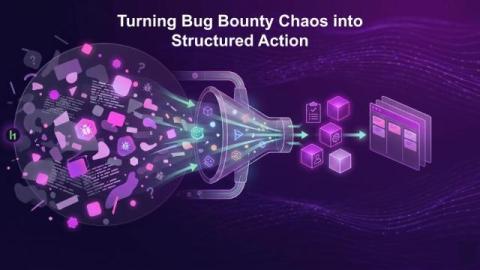
Security teams today are inundated with findings from a dozen different tools. They’re dealing with everything from scanner alerts to bug bounty reports, often in different dashboards, formats, and workflows. Organizations use, on average, eight tools that generate exposure findings (Seemplicity Year in Review Report), and over 50% of security professionals say managing all that noise is a major challenge (The 2025 Remediation Operations Report).

Attack Surface to Action: The Power of Censys ASM + Seemplicity

Security teams juggle a multitude of tools to keep their organizations safe. One platform scans for exposed assets, another tracks vulnerabilities, and yet another manages remediation tasks – and the list goes on. Organizations use an average of 38 different security products, leading to fragmented processes and a lot of “noise” in the form of findings. It’s no surprise that 85% of security professionals say all this noise makes it challenging to reduce risk quickly.

Seemplicity Launches AI-Driven Features to Eliminate Remediation Bottlenecks

Seemplicity unveiled a major product release packed with AI-powered capabilities to cut through noise, facilitate fixing teams, and reduce time to remediation. This latest release introduces AI Insights, Detailed Remediation Steps, and Smart Tagging and Scoping, three new capabilities that use AI to solve some of the most painful and time-consuming cybersecurity tasks.

Seemplicity Feature Release Announcement - July 2025

We’re excited to announce a major Seemplicity release packed with new AI-driven features that help you fix faster, prioritize better, and streamline remediation at scale. This release introduces breakthrough capabilities that reduce noise, provide clarity, and eliminate bottlenecks between identifying risks and resolving them.

Managing Cyber Risk Exposure in a Hyperconnected World

Not long ago, “visibility” was the North Star of cybersecurity. If you could just see all your assets, vulnerabilities, and misconfigurations, you could manage the risk. But that logic doesn’t hold up anymore; not in a world where your infrastructure is scattered across multiple clouds, tied together by APIs you didn’t build, and partially run by vendors you barely know.

Cloud Security Must Be a Pillar of Your Exposure Management Strategy

When it comes to exposure management at any organization, it’s natural to focus on vulnerability management and application security. They’ve been core parts of security programs for years; scanning infrastructure, fixing bugs, tightening code. But if cloud security isn’t part of the conversation too, you’re leaving critical risks uncovered.

Beginner's Guide to Building an Enterprise Application Security Program

Software development moves fast; updates are deployed daily, and new features seem to roll out constantly. For security professionals and developers, this pace brings both opportunities and risks. Building an application security program from scratch can be daunting. Expanding attack surfaces, unclear roles and responsibilities, and an endless stream of vulnerabilities from disparate tools create a complex and challenging landscape to navigate.