Security | Threat Detection | Cyberattacks | DevSecOps | Compliance

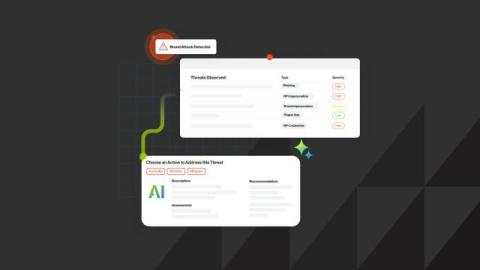
Bitsight AI Empowers Microsoft's New Threat Intelligence Briefing Agent

Threat Intelligence (TI) has become the secret weapon of modern security teams—essential for identifying possible emerging threats before they escalate. But TI is only as valuable as its accuracy, relevancy, and timeliness. Unfortunately, many traditional TI approaches can no longer keep up, as security teams are plagued with information overload: too many signals, too little context, and limited resources to process everything. This is why the coupling of GenAI and TI is a game changer.

Bitsight Identifies Thousands of Security Cameras Openly Accessible on the Internet

Welcome to 2025, where thousands of internet-connected cameras meant to protect us are actually putting us at risk. In our latest research at Bitsight TRACE, we found over 40,000 exposed cameras streaming live on the internet. No passwords. No protections. Just out there. We first raised the alarm in 2023, and based on this latest study, the situation hasn’t gotten any better.

Beyond Compliance: How Cyber Threat Intelligence Fortifies Third-Party Risk Management

Third-Party Risk Management (TPRM) is a critical function for modern organizations, given the reliance on external vendors and partners. The interconnectedness of digital ecosystems means that a breach at a third party can have severe repercussions for your organization. In a recent Dark Reading survey, 30% of organizations experienced some or many supply chain attacks over the past 12 months, and only 14% of respondents reported themselves confident their supply chain is completely secure.

Inside RansomHub: Tactics, Targets, and What It Means for You

Ransomware attacks are undeniably on the rise—but just how significant is the increase? According to Bitsight CTI researchers, ransomware attacks (as measured by unique victims listed on leak sites) rose by almost 25% in 2024, and the number of ransomware group leak sites rose by 53%. Ransomware is becoming the go-to tactic for financially driven threat actors seeking quick and substantial payouts.

What Is a Remote Access Trojan (RAT), and Why Should You Care?

According to our 2025 State of the Underground report—in which we take a look back at cybercrime on the deep and dark web from the past year—384 unique varieties of malware were sold in 2024, an increase from 349 in 2023. To determine this number, our research team examined malware and hacking tools for sale on the top three criminal forums, and as a result, we found that Remote Access Trojans (RATs) were the second most common form of malware in 2024, just behind stealer malware.

Lumma Stealer is Out... of business!

Since mid-2024, Bitsight has been collaborating with Microsoft’s Digital Crimes Unit and other partners to dismantle the operational capabilities of Lumma Stealer (LummaC2) — currently the most widely distributed information stealer. Early this week, a coordinated action was carried out to disrupt its operations and take down the supporting malware infrastructure.

The First Domino: How Credential Theft Leads to Bigger Breaches

In 2024, we collected 2.9 billion unique sets of compromised credentials—a jump from the 2.2 billion collected in 2023. While this rise can be explained by advancement in Bitsight’s credential collection capabilities, we assess that the precise number of credentials shared on the underground has also risen, fueled by increased data breaches and the spike in stealer logs.

State of the Underground 2025: Key Trends Shaping Cyber Risk Today

We know that everyone loves a feel-good, optimistic story, and when we set out to write our annual State of the Underground report — an analysis of nearly 2 billion intelligence items that we collected in 2024, including posts from underground forums and markets, Telegram messages, and news articles — we hoped to find the cyber equivalent of a cup of hot chocolate.

5 Ways Cyber Threat Intelligence Boosts Cyber Risk Prioritization

As cyber risk leaders are called to balance the responsibility of managing risk in the face of both broader attack surfaces and increased regulatory and budgetary scrutiny, prioritization of work is everything. Cybersecurity resources are finite, while the vulnerabilities and threats just keep growing. The best way for modern security programs to keep up is by directing resources to the risks that matter most to their specific organizations.