Security | Threat Detection | Cyberattacks | DevSecOps | Compliance

AI-automated Fuzzing Uncovers Two More Vulnerabilities in wolfSSL

Daniel Pouzzner from wolfSSL has challenged us to find 3 more vulnerabilities in the wolfSSL library, after we found the first one in October 2024. We weren't quite able to find three, but here are the additional two that we found: Both vulnerabilities were fixed in wolfSSL version 5.8.0, released on 24 April 2025. The fuzz tests that found these vulnerabilities were generated by our AI Test Agent.

How to Get Started With Fuzz Testing

If you recognize the benefits that fuzz testing can bring to your software security but are new to it, read on. In this blog post, you’ll learn what you need to consider before implementing fuzz testing in your company to ensure a smooth and successful adoption. So, you’ve chosen the light side and decided to find and fix bugs in your code before they become a problem. Well done, and congrats!

Memory safety bugs: an in-depth look at critical issues

Memory safety vulnerabilities remain among the most widespread and exploited security issues. They occur in C and C++ projects, which are widely used across embedded systems, including automotive, medical devices, and avionics. Read on to learn why they can happen and how to prevent them.

Medical Device Regulation (MDR): Why Cybersecurity And Fuzz Testing Are No Longer Optional

The MDR came into full effect in 2021, but many devices are still certified under MDD and will need to transition. As a result, Europe is facing a period of regulatory limbo. The MDR outlines what manufacturers must achieve but not how to do it, creating a gap between regulatory intent and practical implementation. To help bridge this gap, manufacturers rely on.

AI-automated Fuzzing Found a Dynamic Stack Buffer Overflow in abseil-cpp

A dynamic stack buffer overflow vulnerability in the Abseil C++ library (abseil-cpp) was autonomously identified through AI-enhanced fuzz testing using CI Fuzz’s AI Test Agent and has been fully addressed with a patch. This post dives into the vulnerability, its discovery, and its implications for systems relying on this widely-used library.

AI-Automated Fuzzing Found a Heap Buffer Overflow in AWS C Common Library

A critical heap buffer overflow vulnerability in the AWS C Common library was discovered autonomously through an AI-automated fuzz testing solution, CI Fuzz, and has been fully addressed with a patch. In this post, we explore the vulnerability and its potential impact on embedded systems.

Top Six Most Dangerous Vulnerabilities in C and C++

C and C++ programming are notorious for being bug-prone. Let’s look at the most dangerous software weaknesses in 2024 that are relevant for C and C++, so that you know what type of issues to test your code against in 2025. We examined the 2024 CWE Top 25 Most Dangerous Software Weaknesses list developed by Common Weakness Enumeration (CWE) and identified weaknesses relevant to C/C++. These weaknesses can become vulnerabilities. We explained how they occur and how you can uncover them.

Top Fuzz Testing Tools of 2025: Feature Comparison

In 2025, fuzz testing has become an essential practice for ensuring software security and reliability. By identifying vulnerabilities through randomized input testing, fuzzing helps development teams uncover bugs that traditional testing methods—such as static analysis and penetration testing—often miss. With rapid advancements in security tools, let’s explore the top fuzz testing tools of 2025, their key features, benefits, and how they compare.

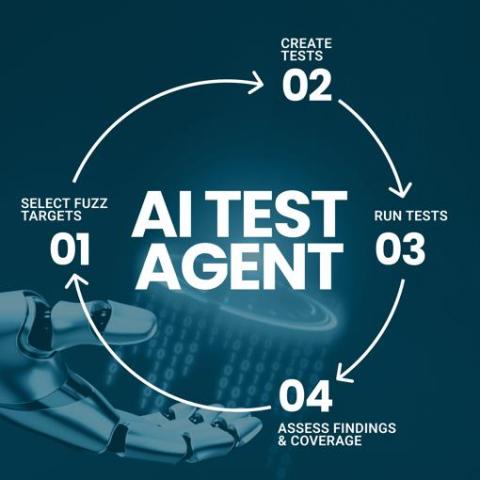
Meet Spark, an AI Test Agent That Autonomously Uncovers Vulnerabilities

We’re thrilled to announce the general availability of Spark, an AI Test Agent that lowers the entry barrier to white-box fuzz testing. In this blog, we explain how Spark works and share the main results from its beta testing that prove its effectiveness.