Security | Threat Detection | Cyberattacks | DevSecOps | Compliance

How LLMs Are Changing DLP, And Why That's a Good Thing

For years, data loss prevention has been synonymous with pain: These legacy approaches treat every potential incident the same, forcing teams to waste time deciphering what really happened and why it matters. Meanwhile, real risks slip through the cracks because no team can manually keep up.

Nightfall Product Updates & News: May/June 2025

Sensitive data is zooming across dozens of platforms every day, from Slack to email to gen AI platforms and many more sources. We all need this connectivity to stay productive, but the connectivity also creates countless opportunities for data to slip through the cracks. A single misplaced email attachment can end up exposing confidential information in a matter of seconds.

From Code to Conversations: How Modern AI Creates New Classes of Data Risk

The rise of generative AI has fundamentally changed how we work, create, and collaborate. But as organizations rush to integrate AI tools into their workflows, they're inadvertently creating entirely new categories of data risk that traditional security measures weren't designed to handle.

Now Available: AI-Powered Data Loss Prevention for Microsoft Exchange Online

Organizations investing in Microsoft 365 E5 licensing expect enterprise-grade email protection. Yet despite premium security features, customer feedback reveals persistent challenges with Microsoft Purview DLP across Exchange Online environments. Microsoft deployment specialists report seeing clients deploy Purview on their own, discover a wealth of false positives, and turn off the policies or set them to audit mode. Policies never become useful.

The Missing Layer: Email Protection That Exchange Online and Gmail Users Urgently Need

In our previous blog (Beyond Attachments: How Email Becomes Your Biggest Data Exfiltration Vector), we exposed the critical gaps in standard email data loss prevention (DLP) tools that allow data exfiltration to continue despite significant investment in native controls. Organizations that have implemented targeted solutions to address these gaps report dramatic improvements in their security posture. Here's what comprehensive email DLP actually looks like in practice.

Beyond Attachments: How Email Becomes Your Biggest Data Exfiltration Vector

Your Microsoft 365 and Google Workspace security dashboards show green across all metrics. You've implemented data loss prevention policies, enabled advanced threat protection, and your team regularly audits security logs. Yet sensitive data continues to leave your organization through email channels. Why? Because attackers and even non-malicious insiders aren't using the obvious exfiltration techniques your tools were built to detect.

Enabling Safe AI Adoption: Insights from Nightfall AI and Vanta

How should data security teams walk the fine line between enabling AI innovation, safeguarding sensitive data, and ensuring compliance? That question drives everything we build at Nightfall. It’s also an excellent jumping off point for an in-depth discussion among security experts.

Nightfall's Spring 2025 Product Launch Brings DLP to the AI Era

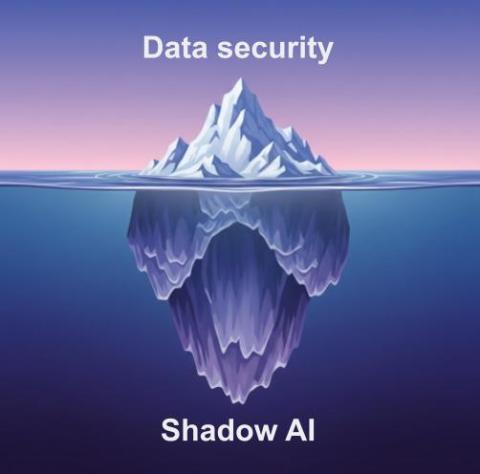
The rapid adoption of AI, particularly generative AI tools like ChatGPT and Copilot, presents both immense productivity opportunities and significant data security challenges for organizations. While employees increasingly leverage AI for various business functions, this widespread use often occurs outside sanctioned channels, creating what's known as shadow AI.

Why Partial DLP Coverage Leaves Your Data Exposed - And How to Fix It

At first, hearing this common refrain from security leaders comes as a shock. But if you know about the limitations of legacy data loss prevention (DLP) solutions, this statement makes perfect sense. Legacy DLP can leave security teams with the assumption that they have full control over their data risk profile and vectors. In reality, blind spots can occur in any security configuration.