Security | Threat Detection | Cyberattacks | DevSecOps | Compliance

What is a Remote Workforce? Key Insights and Strategies for Success

A remote workforce is defined as having employees who perform their work away from a traditional office setting. Commonly, remote employees work from home or some other location with internet access. A co-working space is another popular flexible remote work environment, offering a dedicated and professional setting outside the home or traditional office.

Top Features of Remote Workforce Management Software in 2026

Remote work is evolving and has become quite complex. The best remote employee management software heading into 2026 has taken a huge leap forward with advanced analytics and automation features that are perfectly integrated with employee experience capabilities to bring the team together.

Step-by-Step Guide: How to Block Specific Websites on Any Network or Device

Want to block websites from being accessed in your organization? Whether you are a school, library, or business you need software to block internet access if you want to prevent your users from visiting high-risk, inappropriate, and distracting websites. In this article you will learn about the many ways you can control internet use on Windows computers using BrowseControl, CurrentWare’s internet and app blocking software. Table of Contents Click to Show / Collapse.

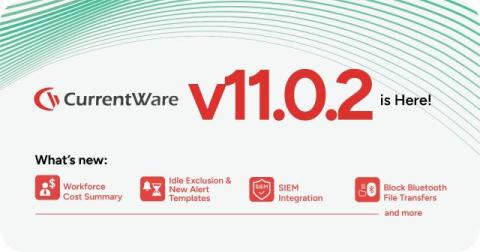
CurrentWare v11.0.2 - SIEM Integration, Cost Summary, Idle Exclusion list,and More

CurrentWare version 11.0.2 is here! This update introduces SIEM integration, Workforce Cost Summary to quantify the cost of underutilized employees, Idle Exclusion List to ensure more accurate employee productivity analytics, alert templates to simplify the alert creation process, the ability to block Bluetooth file transfers while allowing Bluetooth audio, and several security fixes based on penetration testing by third-party security consultants. Need help upgrading?

How Employee Monitoring Strengthens Data Protection in 2025

The average cost of a data breach has reached $4.45 million globally (IBM, 2023). While most organizations invest heavily in firewalls, endpoint protection, and network monitoring, those defenses focus almost entirely on keeping threats out. The reality is different: over 70% of breaches involve human error or misuse. That means many of the most serious risks are already inside your systems. This is where employee monitoring data protection strategies make a difference.

What is Data Exfiltration: Threats, Techniques & How to Stop It

In 2025, data is everywhere, in your inbox, on your phone, and flowing through a maze of corporate servers. It’s the lifeblood of business, medicine, and everyday life. Unfortunately, that makes it irresistible to thieves. Not the smash‑and‑grab burglars of old but quiet intruders who watch and learn before they start siphoning off secrets. In cybersecurity circles, this quiet theft is called data exfiltration. There’s a good reason security experts are ringing alarm bells.

Employee Monitoring in Financial Services: Safeguarding Data and Reducing Insider Risks

Financial institutions sit at the core of the global economy and are at the top of the list for insider threat actors. Whether it’s a rogue employee leaking customer information or a third-party contractor with unchecked access, insider incidents in the financial sector can be devastating. As a result, employee monitoring in financial services has become an essential strategy for reducing risk and maintaining oversight in high-stakes environments.

How to Disable USB Ports on Windows 11: The Complete Guide (2025)

Unsecured USB ports on Windows devices pose significant security risks, from data theft to malware injection, making robust control essential for data loss prevention (DLP) and regulatory compliance. Basic methods exist within Windows 10/11 itself, such as using Device Manager, Registry Editor, or Group Policy Editor. These built-in options often lack centralized management, specific device whitelisting, and temporary access features necessary for comprehensive enterprise-level security.