Authorization to Operate (ATO) in a day and on-going authorization are compliance nirvana. The ATO is the authorizing official’s statement that they accept the risk associated with the system running in production environments using live business data. The idea that all of the information necessary to make a risk decision is at hand and can be consumed by decision makers is what every compliance program is trying to achieve.
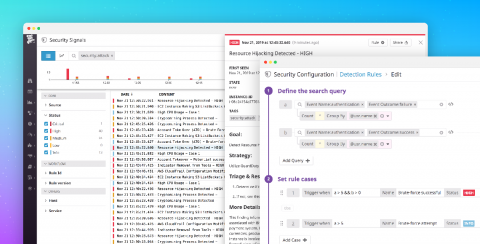
With the growing complexity and velocity of security threats in dynamic, cloud-native environments, it’s more important than ever for security teams to have the same visibility into their infrastructure, network, and applications that developers and operations do. Conversely, as developers and operations become responsible for securing their services, they need their monitoring platform to help surface possible threats.
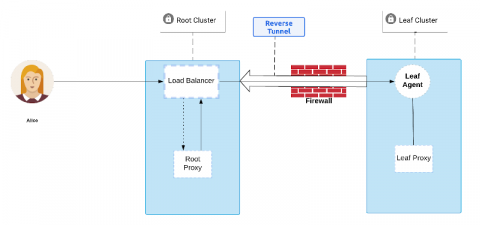
This article will be exploring the challenges Gravitational engineers faced when designing a discovery protocol for Teleport and how we learned to channel our inner Gordon Gekko to create a greedy solution. Teleport helps to empower engineers by enabling remote, secure access to their infrastructure while meeting compliance requirements, reducing operational overhead and complete visibility into access and behaviors.
Ah, the wonders of technology. In the innovation-rich Information Age, we are the beneficiaries of a nonstop wave of new advancements, each offering the ability to execute vital tasks faster and more efficiently than ever before. However, along with each breakthrough comes potential security vulnerabilities.
Are you an engineer or a manager working on a cloud application running in production? Do you have to type ssh or kubectl frequently to get things done? Does auditing, compliance, or access control sound mildly painful? This blog post is for you! In a world full of hackers, data breaches, and data privacy legislation, getting visibility into who is accessing your infrastructure (i.e., cloud or dedicated production environments where applications are hosted) and what they’re doing is vital.
Over the course of the past 10 years, traditional application development methodology (waterfall) has given way in favor of the more agile DevOps-centric methodologies focused on continuous delivery and continuous deployment. This trend was turbocharged in 2013 when Docker containers came onto the scene and ushered in the proverbial crossing of the chasm in container adoption. A recent Tripwire study revealed that 87% of surveyed organizations had containers deployed in production.