Leonid Sandler, Founder and CTO, on the Inspiration behind Cyber Armor
Leonid Sandler, Co-Founder and CTO of Cyber Armor, set for an interview with Safety Detective’s Aviva Zacks on the inspiration behind the company.


Leonid Sandler, Co-Founder and CTO of Cyber Armor, set for an interview with Safety Detective’s Aviva Zacks on the inspiration behind the company.
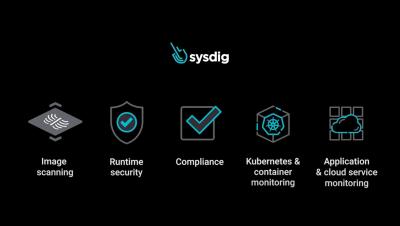
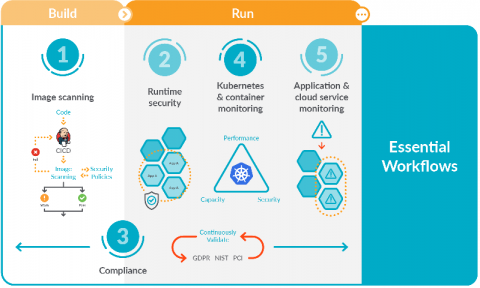
Focusing on these five essential workflows for secure DevOps will help you get started implementing monitoring, security, and compliance for containers and Kubernetes. You might be starting to adopt DevOps and find that it dramatically simplifies deploying applications in containers and Kubernetes. However, you probably also found that it adds a new set of complexities for managing, securing, and troubleshooting applications.
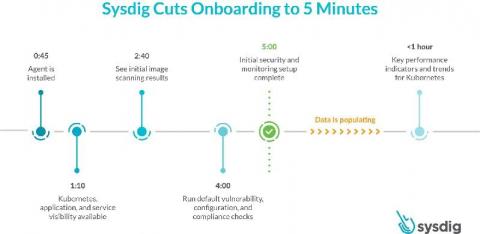
Today, we are excited to announce a faster onboarding for Kubernetes visibility and security. With the SaaS-first approach and new enhancements to the Sysdig Secure DevOps Platform, you can get results after just a five-minute setup. This release includes a new guided onboarding process, out-of-the-box dashboards as part of curated essential workflows, and a new Sysdig Essentials tier. 5 minutes to onboard secure DevOps - YouTube An error occurred.
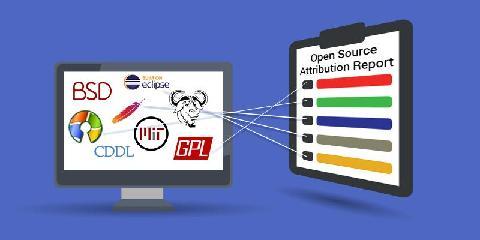
Open source components are a major part of the software products we create and use. Along with the many advantages that using open source projects brings to software development organizations, it also comes with obligations and added responsibilities. One of these requirements is open source licensing compliance.
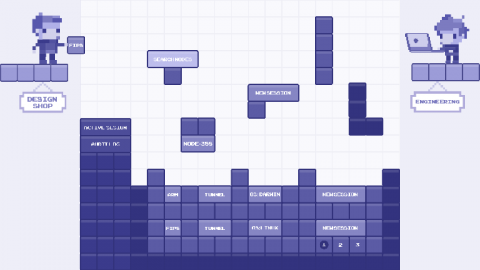
Designing software is tough. Whether you’re a designer, a product manager, or an engineer, we all play a major role in what the end user gets their hands on. Perhaps one of the most critical pieces on the journey to making great software is the relationship between designers and developers. When software is done right, it’s easy, intuitive, and a joy to use. This is no accident - it’s very intentional and it often takes countless iterations to get products to look and feel great.
If your Helm charts could talk, what would they say to potential users? Would they boast of the power in the Kubernetes apps they deploy? Would they warn of their dangers? Would they offer advice? In JFrog’s new ChartCenter, a community repository of publicly available Helm charts, that’s exactly what they’ll do. ChartCenter reveals to users what known risks lie within the container images deployed by every Helm chart.
Don’t miss out on these 12 image scanning best practices, whether you are starting to run containers and Kubernetes in production, or want to embed more security into your current DevOps workflow. One of the main challenges your teams face is how to manage security risk without slowing down application delivery. A way to address this early is by adopting a Secure DevOps workflow.
Many system administrators are concerned that they are not paid fairly, especially considering the high workload and long hours. In fact, the recruiting website Indeed.com reports that 43% of system administrators think their salary is not enough for the cost of living in their area. How does your location measure up? To save you from having to browse tons of job openings and analyze current trends to answer that question, we’ve done the research for you.