Security | Threat Detection | Cyberattacks | DevSecOps | Compliance

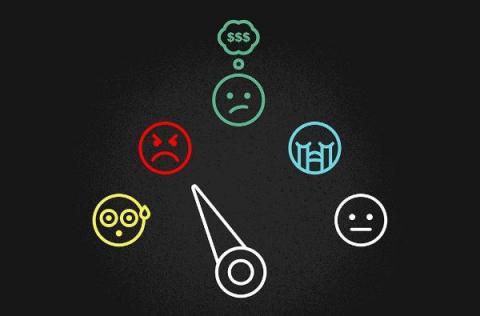
Navigating the Five Stages of Grief During a Breach

Every security professional dreads “The Phone Call.” The one at 2 a.m. where the tired voice of a security analyst on the other end of the line shares information that is soon drowned out by your heart thumping in your ears. Your mind races. There are so many things to do, so many people to contact. You jump out of bed. For a moment, you stare into the mirror longing for yesterday — when your network hadn’t been breached.

Ransomware Attacks Vs. Data Breaches: What's the Difference?

Ransomware attacks and data breaches seem to be continuously contending for the top positions in news feeds. But what's the difference between these cyber threats and which should you be most concerned about? For a comprehensive breakdown of each type of cyberattack, read on.

What We Can Learn From SolarWinds Security Breach

65% of cyber attacks today happen due to the negligence of a third party. SolarWinds security breach is a good example of that. In this case, hackers used a method known as a supply chain attack to insert malicious code into their Orion System. From there, they managed to crack into the SolarWinds network and put malware into the environment. SolarWinds did a great job following up on this. They made significant improvements and are currently rated as a B by SecurityScorecard.

What is data fabric and how does it impact Cybersecurity?

Amidst sweeping digital transformation across the globe, numerous organizations have been seeking a better way to manage data. Still in the beginning stages of adoption, data fabric provides many possibilities as an integrated layer that unifies data from across endpoints. A combination of factors has created a digital environment where data is stored in several places at once, leaving cracks in security for fraudsters to take advantage of.

3 Critical Lessons & Takeaways from the Okta Data Breach

Last month’s revelation that Okta had been hacked created a seismic impact in the world of security, with organizations still bracing themselves for the fallout from this incident. While resources, like Microsoft’s article on Lapsus$ (tracked as DEV-0537), have broadly dissected the attack vectors used in the group’s attacks, we wanted to expand on the broader trends and context surrounding the Okta hack.

The Top 5 Security Breaches of 2021

Has your business experienced one of the Top 5 Security Breaches of 2021? Sadly, many have. As businesses become more reliant on technology, the risk of becoming a victim of a data breach only increases. Unfortunately, the United States exceeded the previous record of cyber attacks in a single year. In 2017, we saw a whopping 1,529 data breaches – compared to the 1,862 data breaches we saw last year.

Runtime Protection: The Secret Weapon for Stopping Breaches in the Cloud

Mistakes are easy to make, but in the world of cloud computing, they aren’t always easy to find and remediate without help. Cloud misconfigurations are frequently cited as the most common causes of breaches in the cloud. According to a 2021 survey from VMware and the Cloud Security Alliance, one in six surveyed companies experienced a public cloud security breach or incident due to a cloud misconfiguration in the previous 12 months.

SecurityScorecard Analysis of Lapsus$ Threat Group

SecurityScorecard’s CISO Mike Wilkes and Threat Researcher Ryan Slaney discuss their latest insights on the Lapsus$ threat group, the recent Okta breach, and what CISOs should do to protect their organizations. SecurityScorecard is the global leader in cybersecurity ratings and the only service with over 12 million companies continuously rated. The company is headquartered in New York and operates in 64 countries around the globe.

Cyber Compliance and Data Breach Notifications

Ransomware isn’t just an internal threat for your organization, it’s also a global crime, and data breach notifications are governed by various laws, policies, and agencies. Let’s go over some common cyber-compliance questions about ransomware, data breach notification and reporting, and the laws that cover cybercrime.

Formulating proper data destruction policies to reduce data breach risks

As Morgan Stanley Bank now knows, ignoring certified data destruction policies can be disastrous. The bank made news in 2020 when it was fined over $60 million for not using proper oversight when decommissioning two of its data centers. Regulators found that the organization had not addressed the risks associated with decommissioning hardware effectively.