Security | Threat Detection | Cyberattacks | DevSecOps | Compliance

Security And Compliance for Remote Federal Workers

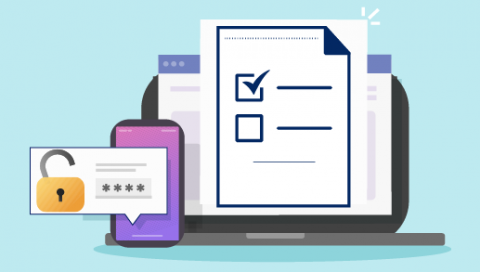
With much of the federal workforce now using laptops to work from home, how can agencies like yours overcome VPN hurdles and ensure the same standard of security monitoring? Compliance frameworks help you achieve and maintain remote asset security with detailed, step-by-step guidance on best practices, including extending security controls to cover remote laptops and other endpoints employees may be using from home in the wake of Covid-19.

Coronavirus and Risk Management

As news and information regarding the #coronavirus continue to emerge, the situation has raised many #questions around pandemic and #crisis planning for businesses. By #investing now in the development, implementation, and maintenance of a viable business continuity management (BCM) program, organizations can provide the most #effective approach to restoring and resuming critical and essential functions and processes. ................

The Most Important Security Metrics to Maintain Compliance

Every week, dozens of data breaches are reported with some reaching into the tens, or even hundreds of millions of individuals impacted. Customers and regulators alike are increasingly concerned about the information security programs of organizations and how they plan to prevent security incidents and safeguard sensitive data.

The War of Passwords: Compliance vs NIST

The most recent National Institute of Standards and Technology (NIST) guidelines have been updated for passwords in section 800-63B. The document no longer recommends combinations of capital letters, lower case letters, numbers and special characters. Yet most companies and systems still mandate these complexity requirements for passwords. What gives?

Best Practices for Compliance Monitoring in Cybersecurity

Regulatory compliance monitoring is a key component of any cybersecurity program. But it's becoming increasingly difficult to ensure you are meeting your regulatory requirements. Driven by an increasing web of complex extraterritorial laws, industry-specific regulations, and general data protection laws. This is not a valid excuse for non-compliance. Regulators and lawmakers will impose significant fines on organizations that aren't able to align their cybersecurity and compliance programs.

Healthcare A Growing Cyber Sickness

Healthcare data breach statistics clearly show there has been an upward trend in data breaches over the past few years, with 2019 seeing more data breaches reported than any other year According to Black Book Market Research, 96% of IT professionals believe cyber-attackers are outpacing the security capabilities of medical organizations. As a result, organizations must implement healthcare data security solutions that will improve patient care while protecting important assets. Schedule a demo today, and stay cyber assured.

Testimonial Video about Ignyte

Due to the increase in #frequency and volume of new security #threats. Organizations need to conduct a robust assessment to determine their risk and also evaluate their #preparedness. Ignyte's Integrated risk management platform is designed to meet rising expectations of the #compliance function and lay foundations for future success. Ignyte helps teams to look ahead and anticipate and mitigate #uncertainties to enhance business performance.

So You Want to Achieve NERC CIP-013-1 Compliance...

Is an electricity provider’s supply chain its weakest link in the event of a cyberattack? The evidence is compelling that third parties often play unwitting roles. For example, the NotPetya ransomware attacks in mid-2017 originally gained a foothold via a backdoor in third-party accounting software. To safeguard North America’s electricity supply, the North American Electric Reliability Corporation (NERC) has issued several critical infrastructure protection (CIP) standards.