Security | Threat Detection | Cyberattacks | DevSecOps | Compliance

The Latest Cybersecurity News & Insights From Around The World


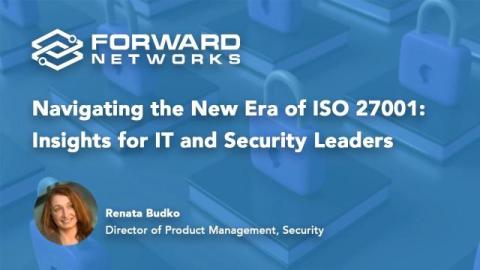
Navigating the New Era of ISO 27001: Insights for IT and Security Leaders
In our border and perimeter free world, connected infrastructure becomes more and more complex. Security tools need to keep up by adjusting to the new application delivery models and adapting to the shifting threat environment. That's why the recent update to the ISO 27001 compliance standard is so pivotal — it introduces new controls around data security, DevOps, and network security to help future-proof our cybersecurity strategies.
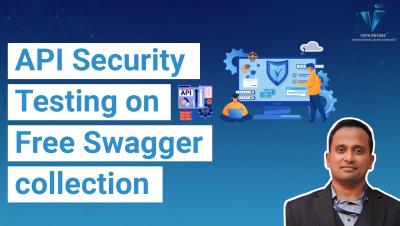
API Security Testing on Free Swagger collection
API security is a critical aspect of modern web applications, ensuring that your APIs are robust and secure from potential threats. In our latest video, we dive into API security testing using a free Swagger collection. Swagger, an open-source framework, allows developers to design, build, document, and test their APIs with ease. By leveraging Swagger collections, you can perform comprehensive security testing to identify vulnerabilities such as injection flaws, data exposure, and improper authentication. This proactive approach helps in mitigating risks and protecting your API endpoints from malicious attacks.

Understanding DORA: The New European Regulation
With the rise in cyberattacks, robust measures are essential to reduce attack surfaces and respond swiftly to threats. Compliance with regulations like the Digital Operational Resilience Act (DORA) is crucial to prevent severe penalties and ensure business continuity. This blog post looks at DORA and introduces our white paper about this important new European regulation.
DORA's Reach: How UK ICT Service Providers Are Affected
The Digital Operational Resilience Act (DORA) is set to reshape the landscape of financial services in the European Union. But its impact extends beyond EU borders, particularly affecting UK-based Information and Communication Technology (ICT) service providers. Let’s explore how DORA might influence these providers and what steps they should consider taking.

Top Strategies for Building a Robust Corporate Compliance Program
No wonder building a strong corporate compliance program is necessary to protect your business and ensure long-term success. Through it, you can address complex issues and avoid legal risks. Ultimately, you can promote a positive reputation for your business. That being said, how can you build an effective corporate compliance program? In today's guide, we'll walk through top strategies from the perspective of the experts. So, just read on.

Move From FedRAMP to DoD with Impact Level Assessment
We’ve written extensively before about FedRAMP’s impact levels. As a brief refresher, there are four: You can read our full guide to these four impact levels, how they’re calculated, and what they mean in this post. One important thing to know here is that FedRAMP is not the be-all and end-all security framework for the government.

Industry-specific criteria in SOC 2+
SOC 2+ reports have become increasingly crucial for organizations aiming to demonstrate their commitment to security and compliance. While the standard SOC 2 framework provides a solid foundation, many industries require additional criteria to address their unique risks and regulatory requirements. This article explores the concept of industry-specific criteria in SOC 2+ reports and how they enhance the value of these assessments for specialized sectors.

The Importance of Due Diligence in Corporate Governance
Due diligence is a critical component of corporate governance, serving as a cornerstone for effective decision-making. It helps organizations mitigate risks and ensure compliance with legal and regulatory standards. Understanding the importance of due diligence can significantly enhance corporate governance practices.
Data Governance & Compliance: Navigating the Digital Maze
Is your company grappling with an increasing volume and complexity of information? A strong data governance framework is essential to harness the power of data while lessening risks. This strategic framework ensures data is managed effectively, meets quality standards, and supports informed decision-making, quality standards, and supporting informed decisions. As regulatory compliance burdens intensify, data governance has become critical to organizational success.