Security | Threat Detection | Cyberattacks | DevSecOps | Compliance

Why AI Red Teaming Belongs at the Core of Your AI Security Program

Enterprises are putting AI applications and agents to work on sensitive data and business workflows, while attackers look for new ways to manipulate the models and exploit the tools connected to them. Security leaders need to know whether those systems will hold up against a real attack, and AI red teaming gives them that answer by testing AI the way an attacker would.
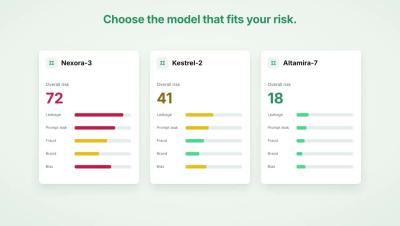
Cato AI Red Teaming: Find AI Model Risks Before Attackers Do

AI-powered applications depend on the models behind them, and those models keep changing. New attack techniques appear every day, model updates can change how safeguards behave, and switching models can leave existing protections behind. Security teams need to know where their AI is exposed before an attacker finds out first.

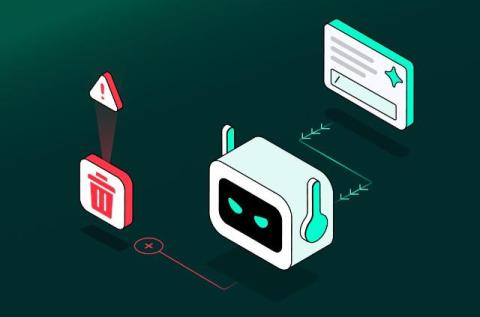
Stopping destructive commands in AI agents

An engineer gives a coding agent a routine task: clean up an old test deployment. The request sounds harmless, and the environment is cluttered with unused cloud resources, stale branches, and temporary credentials that should have been removed weeks ago. The agent gets to work. It lists resources, identifies old infrastructure, and finds a deployment command. Then it sees a naming pattern that appears to connect the test environment to production.

Wait, Did We Just Invent Classifiers Again? Introducing Jev, a new way to do AI.

For the last few years, when somebody says “AI,” what they are usually referring to is a Large Language Model, or LLM for short. You chuck some text in, it has a think, and it gives you some more text back. This is brilliant if you want code written, documents summarised, or quantum physics explained to you in a limerick, but while this is great for humans, most software doesn’t actually want a beautifully written paragraph. Software just wants an answer so it can make a decision.

Beyond Model Access: Frontier AI Defense Needs Runtime Prevention

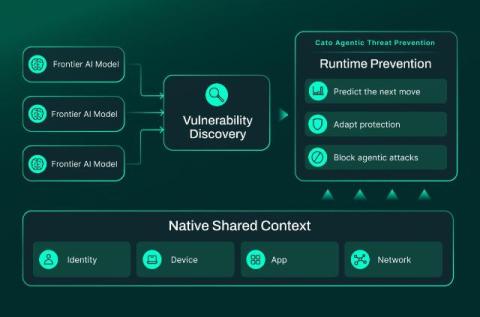
Access to powerful AI models is opening new possibilities for cybersecurity. Models can help uncover weaknesses, investigate threats, and explore how attackers might break into an environment. Using several models can bring different strengths to that work. But model access alone does not answer a critical question: can your defense stop an attack while it is happening? In the frontier AI era, discovery needs to connect to action.