Security | Threat Detection | Cyberattacks | DevSecOps | Compliance

API Discovery: Uncover Hidden Endpoints Before Attackers Do

APIs are targeted 43% more often than websites and suffer 160% more DDoS attacks. Undocumented shadow APIs and zombie endpoints expose your business to breaches. In this video, learn how comprehensive API discovery reveals hidden and outdated endpoints, reduces blind spots, and helps you secure your API landscape before attackers find their way in.


Vulnerability Management Metrics and KPIs: What to Track and Why It Matters

Vulnerability management is not just about spotting weaknesses. It is about fixing them effectively and staying ahead of attackers. And the urgency has never been clearer: the 2025 Verizon DBIR shows a 34% increase in attackers exploiting vulnerabilities to gain initial access and cause breaches compared to last year’s report. So, how can you be sure you are on the right track? Are you reducing risk efficiently? Are critical vulnerabilities being remediated before they are exploited?

Secrets Scanning: A Critical Practice for Protecting Sensitive Data in Code

With the rise of CI/CD pipelines, cloud-native development, and globally distributed teams, sensitive credentials like API keys, tokens, and database passwords often slip into source code. Sometimes accidentally, sometimes under pressure to deploy fast. This is not a rare mishap. A recent study found that 34% of API security incidents involve sensitive data exposure. And according to Cyble, over 1.5 million.env files containing secrets have been discovered in publicly accessible environments.

What Are Website Vulnerabilities?

What exactly are website vulnerabilities, and why should you care? In this video, we explain what website vulnerabilities are, how attackers exploit them, and the risks they pose to your business or personal website. From SQL Injection and Cross-Site Scripting (XSS) to security misconfigurations—understand the basics with simple examples.

What is CSRF (Cross-Site Request Forgery)?

CSRF is a web security vulnerability that tricks users into performing unwanted actions on a website where they are already authenticated like changing account settings or making a purchase without their knowledge. In this video, we explain how CSRF attacks work and how attackers exploit user trust to hijack authenticated sessions.

How Automated Vulnerability Scanners Can Improve Your Threat Detection

Web applications are central to how modern businesses operate, driving customer engagement, managing critical workflows, and enabling seamless digital experiences. But as applications become more dynamic and distributed, their attack surfaces grow more complex, and harder to defend. According to the 2025 Verizon Data Breach Investigations Report, 20% of confirmed breaches began with the exploitation of known vulnerabilities, a 34% increase over the previous year.

9 Must-Have WAF Features to Protect SaaS Applications in 2025

The Software-as-a-Service (SaaS) industry continues its explosive growth, fundamentally transforming how businesses operate worldwide. As of 2024, more than 30,000 SaaS providers serve a global base of over 14 billion SaaS users, delivering mission-critical solutions across CRM, HR, finance, collaboration, and a wide range of specialized enterprise functions, placing SaaS at the core of digital transformation.

How to Decode Your Vulnerability Assessment Report for Real Security Gaps

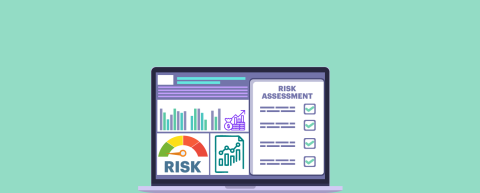
A vulnerability assessment report is more than a technical document. It is a strategic blueprint for improving your organization’s security posture and reducing risks. When interpreted correctly, it empowers organizations to make informed security decisions, prioritize investments, and demonstrate ROI. Yet in many organizations, these reports are underused. They are treated as compliance artifacts or raw checklists rather than insights for strategic action.

Website Vulnerability Scanners: How They Work and Boost Security

Website vulnerability scanners enable organizations to continuously identify vulnerabilities by crawling the website and its diverse parts, including web pages, third-party components, and software. It simulates attack techniques to detect weaknesses such as: These tools are essential in modern DevSecOps and continuous security testing environments, helping identify flaws early in the development or deployment lifecycle.

How to Test Your Website Security Online

According to the Verizon 2025 Data Breach Investigations Report (DBIR), exploitation of vulnerabilities saw a sharp 34% increase as an initial access vector compared to the previous year. This places it among the top methods attackers use to infiltrate organizations, alongside phishing and credential theft. The message is clear: even one unpatched vulnerability on your website can lead to data breaches, service downtime, and long-term reputational damage. The good news? These threats are preventable.

What is a Web Browser Based Attack?

Did you know 95% of undetectable malware spreads through your browser? From Cross-Site Scripting (XSS) and CSRF to Clickjacking and drive-by downloads—web browser-based attacks are more common and more dangerous than ever. In this video, we break down how these attacks work, what causes them, and what you can do to stay protected—both as a user and a website owner.

What is Application Security Testing?

Application Security Testing is the process of identifying, analyzing, and fixing security flaws in applications to prevent data breaches, code vulnerabilities, and cyberattacks. With applications becoming the front door to your business, ensuring they're secure is no longer optional it is critical. This video explores Application Security Testing in depth, helping you understand what it is, how it works, and why it’s essential for protecting your digital assets.

Proving the ROI of Vulnerability Assessments: A CISO Guide

In cybersecurity, the value of vulnerability assessments (VA) is widely acknowledged but not always quantified. For many decision-makers, “just preventing an attack” isn’t a strong enough business case. They want to know: What is the return on investment (ROI)? How does this investment contribute to the bottom-line, reduce business risk, or improve operational performance?

What to Do After a Vulnerability Is Found: From Risk Mitigation to Automated Remediation

The Real Breach is in Delay, Not Detection Detecting vulnerabilities is no longer the hard part. With powerful scanners, continuous monitoring, and security frameworks in place, most organizations can identify weaknesses in their systems quickly. But the real risk begins after a vulnerability is found. According to the Verizon 2025 DBIR, released on April 23, there has been a 34% increase in successful vulnerability exploitations over the past year, compounding a 180% rise from the previous report.

Reducing Cyber Insurance Premiums with a WAF

Cyber insurance has become essential for digital businesses, but premiums are rising fast. According to S&P Global Ratings, annual cyber insurance premiums are projected to grow by 15–20% through 2026. The more vulnerable your digital assets are, the more likely you are to pay. To keep costs in check, organizations must demonstrate strong and continuous security measures. This requires going beyond basic controls and adopting expert-led, adaptive protection that secures all applications and APIs.

Why Continuous Vulnerability Assessment Beats One-Time Scans for Real Security

Most organizations still treat vulnerability assessment (VA) as a checkbox activity, run a scan, generate a report, and move on. But security doesn’t work in isolated snapshots. Applications are dynamic, threats evolve by the hour, and even minor code changes can open new attack surfaces. This is where continuous vulnerability assessment (CVA) becomes essential.

10 Challenges in Vulnerability Assessments and How to Overcome Them Effectively

The 2025 Verizon DBIR reveals that vulnerability exploits now cause 34% more breaches than phishing. This makes vulnerability assessments essential for any security strategy. Yet many organizations struggle with incomplete scans, alert fatigue, and missed remediation, leaving critical gaps exposed. In this blog, we will explore the key challenges in vulnerability assessments and provide practical strategies to overcome them effectively.

5 Expenses MSPs Absorb without Web App & API Security

Uncover 5 major expenses Managed Service Providers (MSPs) often absorb when web application and API security isn't in place. From breach clean up cost to reputational damage, these hidden costs can impact your profitability and customer trust. Don’t let poor security planning hurt your bottom line. Watch now and learn how to eliminate these costs with a proactive security approach.