Security | Threat Detection | Cyberattacks | DevSecOps | Compliance

The latest News and Information on Application Security including monitoring, testing, and open source.

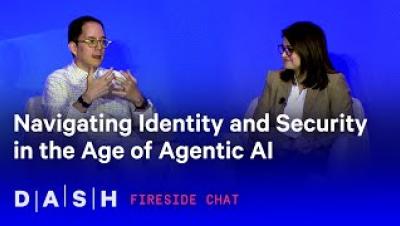
Overcoming AppSec Challenges in FinServ: How CIBC Balances Speed, Security, and Compliance

Financial institutions face a tricky balancing act: they need to innovate quickly while also following strict compliance rules in an environment where security is paramount. Recently, Snyk's Field CTO, Steven Schmidt, sat down with Mihai Saveschi, Senior Director of Security Service Management at CIBC, for a fireside chat to discuss these pressing issues. We’ve pulled key insights from their conversation on some of the most pressing AppSec challenges facing financial services organizations today.

RASP vs. VAPT: Why You Need Both for Unbreakable Application Security

Imagine building a high-tech security fence around your house but leaving open doors and windows with crumbling roofs. Would you still feel safe? That’s precisely what happens when organizations deploy Runtime Application Self-Protection (RASP) without Vulnerability Assessment and Penetration Testing (VAPT). Many security leaders assume that because RASP offers real-time threat detection and mitigation, it eliminates the need for proactive security testing. But this is a dangerous misconception.

Stronger Together: Jit and Invicti Unite to Simplify Application Security

Dynamic Application Security Testing (DAST) is a cornerstone of web application security, allowing organizations to detect vulnerabilities that are actually exploitable in runtime – minimizing false positives. However, managing security findings across multiple tools can prolong risk assessments, prioritization, and remediation. Jit users who want to leverage Invicti, one of the best DAST solutions in the market, have had to manage security findings in a completely separate interface.

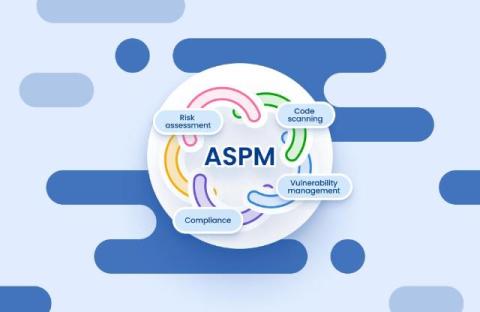
How to Improve Your Security Posture with the Least Effort Using ASPM

Security posture management has become exponentially more complex for organizations developing and managing a vast ecosystem of applications. Evolving architectures like microservices, hybrid cloud infrastructures, and frequent release cycles introduce constant change and challenges. Amid these growing challenges are the existing security gaps organizations are struggling to address.

Get the TL;DR: tj-actions/changed-files Supply Chain Attack

The tj-actions/changed-files GitHub Action, which is currently used in over 23,000 repositories, has been compromised, leaking secrets through workflow logs and impacting thousands of CI pipelines. All tagged versions were modified, making tag-based pinning unsafe. Public repositories are at the highest risk, but private repos should also verify their exposure.

Scared or Ready: A Pragmatic Way to Approach Security Threats

Security incidents are often making headlines, from ransomware to colossal data leaks. On top of that, making informed security decisions is a challenge in itself, requiring knowledge across product requirements, complex distributed systems, code, architecture, and security. All of which creates a sense of fear, uncertainty, and doubt for those of us who build software. How can we better prepare to respond to potential threats and gain confidence in our security incident response readiness?

ASPM Buyer's Guide: Find the Right Vendor for Your App Risk Management Needs

Security teams are overwhelmed. Whether it’s alert overload, a growing backlog of vulnerabilities, or fragmented security data, there’s no finish line in sight. The State of Software Security 2025 report reveals that security debt is rising and flaws times are increasing. Meanwhile, the traditional tools many teams leverage fail to provide the context needed to track risks across the application lifecycle and, importantly, to prioritize them.

AI Governance in AppSec: The More Things Change, The More They Stay the Same

Every hype cycle brings fresh security concerns, and AI is no exception. AI governance might sound like uncharted territory, but it’s really just another evolution of the same security principles AppSec teams have been applying for years. The fundamentals—secure coding, risk management, compliance, and policy enforcement—haven’t changed.

Understanding your WAF: How to address common gaps in web application security

Web application firewalls (WAFs) are one of the most commonly used tools that organizations deploy to protect their applications at runtime. By monitoring HTTP traffic and filtering out suspicious requests, WAFs act as a protective layer around an application that protects it from certain types of incoming threats. However, WAFs often fall short of expectations.