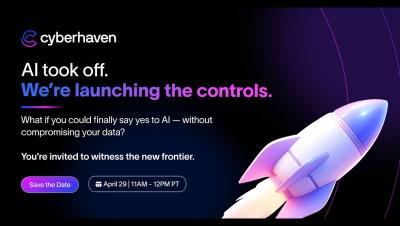
AI Took Off. We’re Launching the Controls. Discover how Cyberhaven is rewriting the rules of AI data security. Our newest innovation is too big to call a feature — it’s a new frontier. AI changed everything... fast. Productivity soared, but so did risk. Employees embraced AI, and data raced across tools without oversight. The question isn’t if your organization is using AI — it’s how much risk it’s exposing in the process.
AI is transforming productivity across every industry—from marketing and design to legal and engineering. But while employees rush to embrace tools like ChatGPT, Gemini, and Microsoft Copilot, many are using other tools without oversight from IT or security. As this grassroots usage grows, so does the volume—and sensitivity—of data flowing into AI tools.
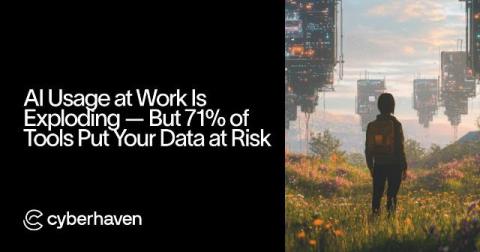
Analysis covering 7 million workers finds 71.7% of AI tools used in workplaces are high or critical risk, with 83.8% of enterprise data flowing to these unsecured platforms.
As AI becomes deeply integrated into critical business operations and adopted by increasing numbers of departments and employees, the volume and sensitivity of data flowing into these systems has grown exponentially. Companies now face a dual challenge: harnessing AI's potential while managing the substantial data risks it introduces.
Departing workers can pose significant risks to data. Let me share a story about an individual who stole and deleted valuable research data right before submitting his resignation: six weeks after a contingent worker left the company, the FBI contacted us. It turned out that the individual had tried to sell the company’s confidential data to a third party. When he left, everything seemed normal.
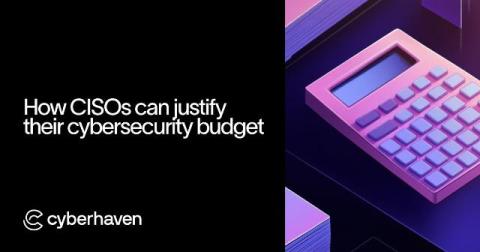
Every year, companies reevaluate their budgets, making tough calls on where to invest for the most impact. In many organizations, cybersecurity spending is often seen as a cost center. However, without adequate security investments, companies put themselves at greater risk for data breaches that could disrupt business operations and damage customer trust, ultimately costing the company a lot more in the end.
The rush to work faster with artificial intelligence (AI) risks encouraging employees to accidentally put sensitive data at risk. Take this scenario: someone in the procurement team has a tight deadline, so they upload a confidential contract into an AI tool to review a few redlines. It’s unclear if the AI system is storing the data from the contract, how long it’ll be retained, and if the data will resurface in a future prompt to someone else.