Security | Threat Detection | Cyberattacks | DevSecOps | Compliance

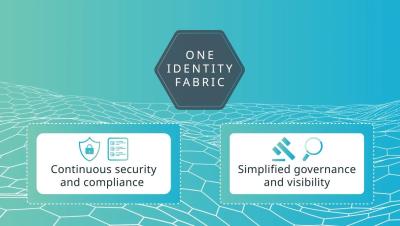
How the One Identity Fabric increases security for complex IT

When you unify a complex technology landscape that consists of diverse deployments—including on-premises, legacy systems, multi-cloud and hybrid environments—you inevitably create a tangled web of identities, each with its own set of security challenges. Identity and access management (IAM) as we know it struggles to keep up. It becomes increasingly complex to manage user access across disparate systems, to maintain consistent security policies and to meet compliance regulations.

Don't fall for it: Five authentication assumptions that can put your company at risk

Myths have always floated through the cybersecurity sphere, and if you don’t address them, they can invite risk to your organization. Join solution engineers Solenne Le Guernic and Grant Tackett to dispel common authentication assumptions that act as landing lights to cybercriminals. Explore the ways OneLogin can mitigate risk, promote productivity and ensure secure, flexible security for all users – no matter the device, the user or the value of the accessed asset.

The enigma of Entra ID security and management - and how Active Roles can help

Active Directory (AD) officially reaches its quarter-century this year, after its late-1990s preview and full release with Windows Server 2000. That’s over 25 years of providing administrators with tools to manage permissions, endpoints and access for network-based resources and objects. In that time, it’s grown to become the choice of around 90% of the Global Fortune 1000s.

What is attestation and why is it important?

Managing an enterprise-level Active Directory (AD) means enterprise-grade volumes of identity accounts. Naturally, operations at this scale come with high complexity and call for intensive resources to maintain control. Manual errors can creep in as the business expands, leading to increased cybersecurity risks and vulnerabilities.