Effective threat detection is critical to achieving a mature cybersecurity posture. Yet with so many threat detection options on the market, from managed detection and response (MDR) to managed security service providers (MSSPs) to security information and event management (SIEM), choosing the most effective one for your organization can be challenging.
Several years ago, Trustwave, already a leader in Managed Security Services (MSS), recognized the shift in market needs and fully pivoted to its future as a Managed Detection and Response (MDR) leader. Trustwave's leadership chose this course because it understood that a leading cybersecurity solution provider could no longer be effective without all the weapons MDR brings to the fight.
For many cybersecurity leaders, the most intimidating threat they encounter isn’t an adversary — it’s the daunting prospect of trying to win over key business stakeholders and obtain vital budget.
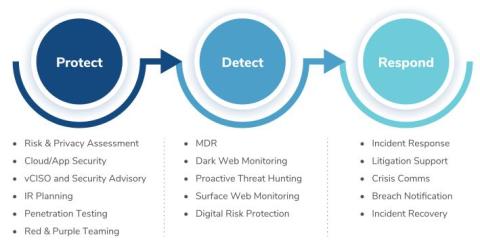
An effective detection and response capability is essential for monitoring key assets, containing threats early and eradicating them. However, due to the current disparate nature of potential attack vectors within an organization, affording the wide range of sensors necessary can be a challenge as well as the worry of the disruption of critical services. Yet, without robust detection and response processes, businesses are left vulnerable.
Over the past several months, AT&T Managed Detection and Response (MTDR) security operations center (SOC) analysts have seen an increase in the usage of phishing emails containing malicious QR codes. In a recent example, a customer that was victimized by a phishing attempt provided the AT&T analysts with an email that was circulated to several of its internal users.