Security | Threat Detection | Cyberattacks | DevSecOps | Compliance

Social Media Platforms Become Half of all Phishing Attack Targets

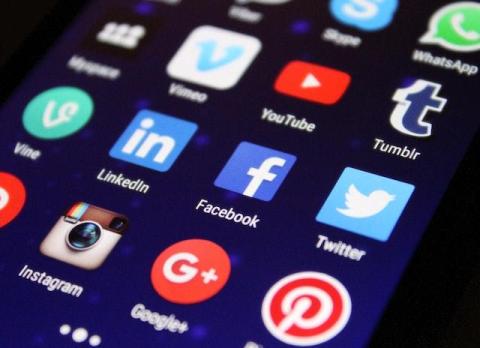
Social platforms are the current favorite target of cybercriminals, displacing financial institutions, providing cybercriminals with credentials to be used as launch points for further phishing campaigns. Most cyber attacks we read about seem to involve an organization that was attacked because it was perceived to have a lot of money that could be parted with via ransomware, extortion, digital fraud, etc.

Cybercriminals May Already Have Hacked Your LinkedIn Account

New reports show many LinkedIn users have reported complaints about accounts being taken over by bad actors. In a statement from Cyberint researcher Coral Tayar, "Some have even been pressured into paying a ransom to regain control or faced with the permanent deletion of their accounts," The reported complaints are on other social media forum platforms such as Reddit, Microsoft, and X with several users expressing frustration due to the lack of response from their support team.

LinkedIn Accounts Under Attack

In recent weeks, the Cyberint research team has observed an alarming emerging trend – an ongoing and successful hacking campaign is targeting LinkedIn accounts, all following a consistent method. This campaign is currently affecting individuals worldwide, resulting in a significant number of victims losing access to their accounts. Some have even been pressured into paying a ransom to regain control or faced with the permanent deletion of their accounts.

How To Prevent Your Instagram from Getting Hacked

Unfortunately, Instagram is a common target for malicious hackers. Cybercriminals hack accounts in order to distribute spam, commit phishing attacks against your followers and steal your data. There were more than 1 million social media account takeovers in 2022, and most of the affected accounts were on Instagram.

Social Media Security Awareness: What you Should Know

The latest Verizon Data Breach Investigations report indicates that over 70% of data breaches involved the human element. Cybercriminals exploit people to trick them into clicking unsafe links, opening malicious attachments, entering their credentials into bogus login pages, sharing sensitive data, and authorizing fraudulent fund transfers. One area where many exploits take place is on social media platforms.

How To Buy and Sell Safely on Facebook Marketplace

To buy and sell safely on Facebook Marketplace, you should check seller and buyer profiles, meet in a public place when selling or purchasing an item, have a friend or relative accompany you for the exchange of goods, use secure payment methods and more. Continue reading to learn more about Facebook Marketplace scams and how to stay safe from them when selling or buying on the platform.

Threads : Security Issues You Should Be Aware Of Before Using

Meta’s new app called Threads was launched on the 6th of July 2023 by Mark Zuckerberg. The app is an extension of the Instagram app and everybody is excited to talk about it as it is compared with Twitter. However, the app gained 30 million downloads in its first 16 hours. Currently, the app is available for 100 countries including the United States, Australia, Canada, India and Japan.

Launch Of New Meta Thread App Spawns Hundreds Of Spoof Domains

Researchers at Veriti have observed hundreds of spoofed domains following Meta’s launch of its Threads social media platform. “In recent weeks, we have observed a surge in the creation of suspicious domains, with over 700 domains related to Threads being registered daily,” the researchers write.

How social media compromises information security

Today’s companies operate in a complex security environment. On the one hand, the threat landscape is growing. Bad actors are becoming more and more refined as they get access to new tools (like AI) and offerings (like hacking-as-a-service). On the other hand, companies are dealing with more sensitive data than ever before. This has prompted consumers and regulators alike to demand for better security practices.