Security | Threat Detection | Cyberattacks | DevSecOps | Compliance

What is Zero Trust

Zero Trust is a cybersecurity philosophy that rejects the idea of offering implicit trust to traffic based on network location. In other words, Zero Trust views all traffic as potentially malicious, regardless of whether it originates from a traditionally trusted network source, and therefore requires all traffic to be scrutinized to determine whether access should be granted to a specific resource.

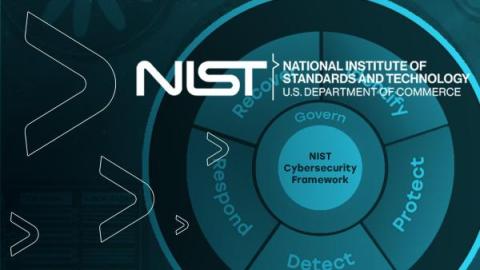
Say Hello to the NIST CSF 2.0

In August, NIST released the final draft of the highly anticipated update to its Cybersecurity Framework (CSF). The final draft is likely very close to what the final version will be when NIST releases it in early 2024. Therefore, it’s worth becoming familiar with the draft and beginning to plan how to use the NIST CSF 2.0 as a tool to strengthen your own cybersecurity posture.

Vulnerability Management - What you need to know

Vulnerability management (VM) is the process of detecting, prioritizing, remediating, and auditing security vulnerabilities in systems and software. This critical process minimizes the organization’s “attack surface” by installing the most current software updates and properly hardening computer configuration.

Network Detection and Response: Your FAQ's Answered

NDR provides another layer of visibility into what has or is currently happening on the network. Through this lens, you can detect threats that may be missed with perimeter and host-based tools such as firewalls, logs, and endpoint detection. You can also monitor devices that cannot be monitored through logs or have agents deployed on them, such as many IoT devices. NDR enables threat hunting through packet data, providing an authoritative source for validation.

What's in the Proposed Amendment to 23 NYCRR 500?

New York State’s Department of Financial Services (DFS) recently published a proposed amendment to its cybersecurity regulation affecting New York financial institutions. Part 500 of Title 23 of the New York Codes, Rules and Regulations (23 NYCRR 500) governs cybersecurity requirements for financial services companies. When first adopted in 2017, it was the first comprehensive cybersecurity regulation from a state government to govern the financial services sector.

A Red Team's Perspective: How to Scope a Penetration Test

Penetration testing is a crucial part of a comprehensive cybersecurity plan. By simulating a real-world attack, a penetration test can help identify vulnerabilities and weaknesses across systems, networks, and applications before a malicious actor can exploit them. To get off on the right foot with a penetration test and get an accurate timeline and budget for the test, it’s important to have a proper scope. Learn how to scope a penetration test from the perspective of the Sedara Red Team.