Sedara Named to MSSP Alert's 2023 List of Top 250 MSSPs
The Top 250 MSSPs honorees were announced in a live webcast on September 14. Key findings include: Sedara was ranked among among the Top 250 MSSPs for 2023.
Vulnerability management (VM) is the process of detecting, prioritizing, remediating, and auditing security vulnerabilities in systems and software. This critical process minimizes the organization’s “attack surface” by installing the most current software updates and properly hardening computer configuration.
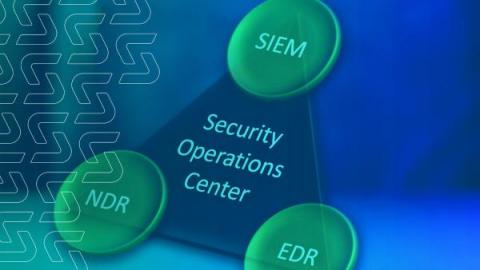
NDR provides another layer of visibility into what has or is currently happening on the network. Through this lens, you can detect threats that may be missed with perimeter and host-based tools such as firewalls, logs, and endpoint detection. You can also monitor devices that cannot be monitored through logs or have agents deployed on them, such as many IoT devices. NDR enables threat hunting through packet data, providing an authoritative source for validation.
New York State’s Department of Financial Services (DFS) recently published a proposed amendment to its cybersecurity regulation affecting New York financial institutions. Part 500 of Title 23 of the New York Codes, Rules and Regulations (23 NYCRR 500) governs cybersecurity requirements for financial services companies. When first adopted in 2017, it was the first comprehensive cybersecurity regulation from a state government to govern the financial services sector.
Penetration testing is a crucial part of a comprehensive cybersecurity plan. By simulating a real-world attack, a penetration test can help identify vulnerabilities and weaknesses across systems, networks, and applications before a malicious actor can exploit them. To get off on the right foot with a penetration test and get an accurate timeline and budget for the test, it’s important to have a proper scope. Learn how to scope a penetration test from the perspective of the Sedara Red Team.
In an ever-evolving threat landscape, safeguarding the integrity of applications is a real concern. The consequences of a single security breach can be devastating, leading to data links, financial losses, and irreparable damage to a company’s reputation. Organizations across industries must equip themselves with reasonable defense mechanisms to fortify their applications against malicious actors.
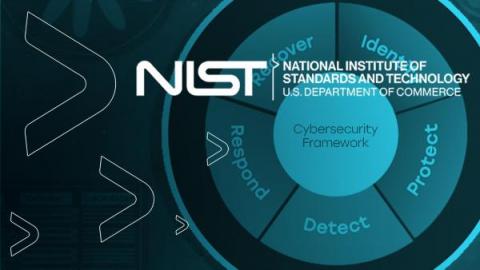
The National Institute of Standards and Technology’s (NIST) Cybersecurity Framework (CSF) is undergoing a major update. The NIST CSF is one of the most widely used frameworks to help organizations understand and manage their cybersecurity risks. The NIST CSF was released as version 1.0 in 2014, updated to version 1.1 in 2018, and will be updated to version 2.0 early next year. NIST recently released a draft of CSF version 2.0.
Removable media devices—also known as removable storage devices–present a very high risk to sensitive data stored, processed, or transmitted by information systems in your organization. Sedara recommends implementing strict measures to safeguard sensitive information and prevent its accidental or intentional loss, misuse, or disclosure.
The National Institute of Standards and Technology recommends using longer passphrases instead of passwords for authentication purposes. Passphrases improve an organization’s security posture and reduce the risk of data breaches: they are more complex, easier to remember, and more resistant to cyber-attacks.