Keeping your social media accounts safe is crucial to keeping your sensitive data protected. In this blog, you’ll learn how to strengthen your accounts by using strong and unique passwords, setting up MFA, adjusting your privacy settings and keeping an eye on your account activity. Continue reading to learn more ways you can secure your social media accounts and the common threats social media accounts face.
Some signs that indicate your identity may have been stolen include seeing charges you didn’t make on your bank account statement, new inquiries on your credit report, an unusual drop in your credit score, credit checks you didn’t initiate, your credentials being posted on the dark web and more. Continue reading to learn more indications that your identity has been stolen and what to do if you’re a victim.
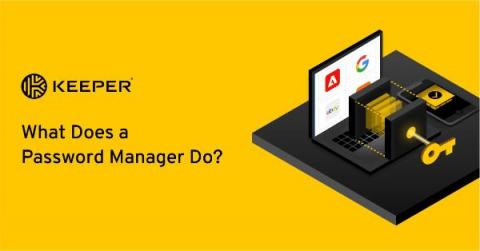
A password manager stores passwords securely, generates strong passwords, identifies weak and reused passwords, generates and stores 2FA codes, and stores other sensitive data like important files. Read on to learn more about what password managers do and why investing in a password manager is worth it.
Keeper Security has released the second part of a series of Privileged Access Management (PAM) research, Privileged Access Management Survey: Deployment Amid Economic Uncertainty, to understand how IT leaders are approaching, deploying and streamlining their PAM solutions. Keeper surveyed over 400 IT leaders globally, focusing on the impact of the global economic downturn on PAM deployments, and what IT leaders are prioritizing in PAM solutions given the current economic climate.
As AI becomes more advanced, it’s important to consider all the ways AI can be used maliciously by cybercriminals, especially when it comes to cracking passwords. While AI password-cracking techniques aren’t new, they’re becoming more sophisticated and posing a serious threat to your sensitive data. Thankfully, password managers like Keeper Security exist and can help you stay safe from AI-password threats.
Malvertising–also called malicious advertising–is when cybercriminals use advertisements to infect devices with malware. Malvertising can appear on any advertisement you see online, you don’t necessarily have to be on a malicious website to be a victim of this cyberthreat. When a victim is exposed to a malvertisement, their device and data are at risk of being compromised, even if they don’t interact with the advertisement.
You can tell if someone has hacked your router if you notice that you can’t log into your router’s admin settings, your browser keeps redirecting you or you receive suspicious activity alerts from your internet service provider, among other signs. Continue reading to learn how someone can hack your router and how you can protect your router from getting hacked going forward.