Three Tips to Keep From Getting Hacked
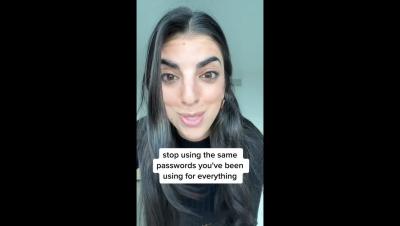
Common sense cybersecurity with Cybersecurity Girl Caitlin Sarian.


A strong password is made up of at least 16 characters and contains upper and lower case letters, numbers and symbols. Strong passwords also follow password best practices so they never contain personal information, dictionary words or phrases, and are never reused across multiple accounts. Continue reading to learn why strong passwords are necessary and tips for creating a strong password.
The most common types of cyberattacks are phishing, variations of password attacks, malware, spoofing, supply chain attacks, DDoS attacks, identity-based attacks, IoT attacks and insider threats. Continue reading to learn more about what these cyberattacks are and how to keep yourself protected from them.
Cyberthreats and ransomware attacks can be crippling for municipalities and county government offices. Local government employees need to access a growing number of systems, applications and databases to perform their duties, while the rise of remote work has drastically increased the attack surface of a typical small government office.
Cybersecurity is extremely valuable for small businesses because it keeps their data secure, improves employee productivity, helps protect their reputation, aids in legal and regulatory compliance, and is cost-effective. Read on to learn more about the value of cybersecurity for small businesses and cybersecurity best practices your business can start implementing today.
The Keeper team had an amazing time at the 2023 Black Hat security conference in Las Vegas. We met with partners, prospects, friends, vendors, and of course, our incredible customers. Over the span of two days we talked to thousands of people and collected valuable data on a number of critical topics. In fact, we generated a mountain of data about what cybersecurity professionals want from password and privileged access management solutions.
Cross-Site Scripting (XSS) is a web security vulnerability that happens when cybercriminals inject client-side scripts into web pages accessible by other users. These scripts compromise the web page and allow cybercriminals to inject malicious scripts into a user’s browser, leading to the exposure of data, session hijacking or manipulation of the web page’s content and functionality.