Security | Threat Detection | Cyberattacks | DevSecOps | Compliance

The Latest Cybersecurity News & Insights From Around The World

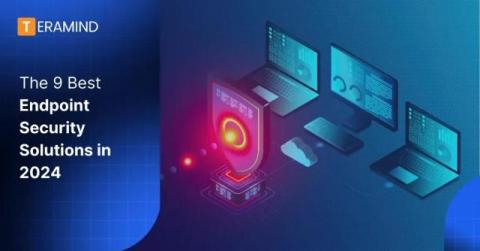
The 9 Best Endpoint Security Solutions
Endpoint security solutions are specialized software designed to protect endpoint devices like computers, mobile phones, and tablets from cyber threats. These solutions prevent, detect, and respond to attacks by managing the security of these devices across the network. But with so many different endpoint security solutions available in the market, how can you know which is the right fit for your endpoint security strategy?
Release 783 Brings LLM Monitoring, ARM Support, Enhanced Rules, Mac Improvements and More
We are excited to announce Platform Release 783, a massive update with over 470 features and improvements, focusing on adapting to the modern digital workspace by delivering deep visibility, better protection, and higher privacy. Here is a summary of the new features and improvements available in this release. For an extensive list, please refer to the detailed Release Notes.


A Balanced Approach to Handling Internal Security Threats
While external cyberattacks often make the headlines, internal security risks (aka insider risks) present a significant danger that is sometimes underestimated. These risks can arise from disgruntled employees, negligent insiders, or malicious actors with privileged access. The repercussions of such breaches can be severe, resulting in data loss, financial harm, legal fines, and harm to reputation.

5 Security Red Flags to Watch When Working with Contractors
You monitor employees. You trust contractors. That’s the problem. Contractors have full system access, months to plan their exit, and minimal safeguards in place to stop them. They have the same access to your customer databases, pricing models, and intellectual property as your permanent staff. But unlike employees, they know exactly when they’re leaving—with months in advance to prepare.
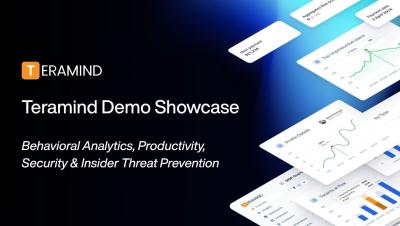
Teramind Overview Demo
At Teramind, we solve for the Human Element, the side of your business that exposes you to the most risk. Whether incidental or malicious, human error is omnipresent, and the need to understand your workforce activities is essential– as they can significantly impact your bottom line. Teramind is the leading platform for user behavior analytics on every endpoint, enabling you to protect and optimize your business- and solve for nearly every behavior-related use case.

Webinar: Empowering the Modern Workforce with Ira Winkler
Discover how new workforce engagement strategies can enhance security, boost productivity, and strengthen employee relationships in today’s remote & hybrid office environments.

GITEX Insights: Fighting Next-Gen Attacks with Teramind #productivity #business #security
Face and voice biometrics aren't enough to stop deepfakes! At, our VP of Marketing, Leeron Walter, explains how we're fighting back. Our tech goes beyond the surface, using behavioral analytics to spot a deepfake in action—giving managers "God Mode" visibility to protect their business FAST!
Shadow IT vs. Insider Threat: What's the Difference?
Consider two scenarios. In one, a marketing manager uses their personal cloud storage to share a large file, bypassing the slow corporate system to meet a tight deadline. In another, a sales executive uses the company-approved CRM to download the entire client list before joining a competitor. Both actions create significant risk, but they are not the same problem. The first is a classic case of shadow IT, often driven by a desire for efficiency.