Security | Threat Detection | Cyberattacks | DevSecOps | Compliance

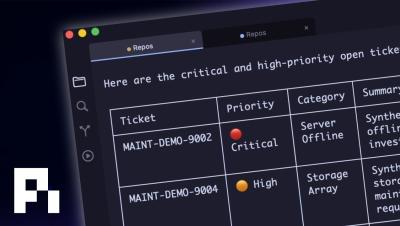
How AI Agents Impact SOC 2 Trust Services Criteria

SOC 2, which stands for Systems and Organization Controls 2, is a framework developed by the American Institute of Certified Public Accountants (AICPA) to evaluate controls for security, availability, processing integrity, confidentiality, and privacy. As agentic AI systems begin acting autonomously, AI and SOC 2 compliance become closely linked. These systems drive new efficiencies, but also introduce new risks.

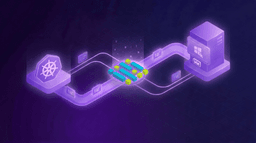
From Zero Trust to SPIFFE: How to Secure Microservices with Istio and Teleport

This guide walks through how to deploy microservices with Zero Trust using SPIFFE identities, service mesh mTLS, and short-lived certificates. You’ll learn how to deploy a secure microservices application, configure default-deny authorization policies, and rebuild service connectivity with explicit SPIFFE-based allow rules.

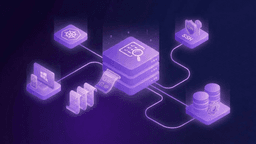
Teleport Named to Futuriom 50 for Second Consecutive Year, Recognized as an AI Infrastructure Identity Leader

Teleport has been selected for the Futuriom 50 (2026) - marking Teleport's second consecutive year on the list and recognition as an AI Infrastructure Leader. Futuriom Founder and Principal Analyst Scott Raynovich highlighted Teleport's differentiated approach to identity-based security for infrastructure, cloud, and AI access.

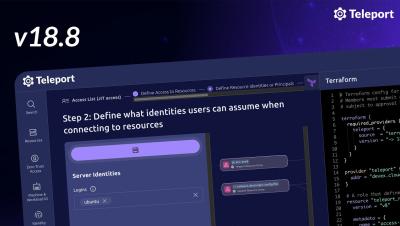
Why Agentic AI Breaks Legacy Identity - and What Infrastructure Leaders Must Do Next

Agentic AI is fundamentally changing how software operates, and in doing so, it breaks the identity and access models that many organizations still rely on. Unlike traditional applications, agentic systems are non-deterministic, long-running, and capable of autonomous decision-making across infrastructure, data, and production services. These systems do not fit within legacy identity assumptions built for humans, static workloads, perimeter controls, or long-lived credentials.