Forward Fix | Automated Non-compliance Detection Alerts
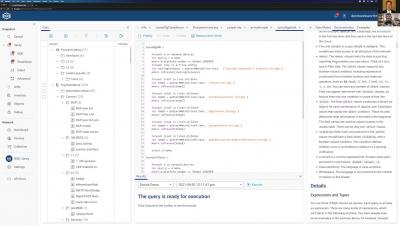
Customer Solutions Architect, Eric Gates demonstrates how having a mathematically-accurate digital twin can expedite otherwise tedious task of network security compliance audits.


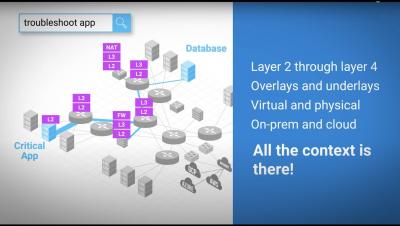
With the constant rise of modern cyber threats, many businesses are aiming for zero-trust infrastructure to keep themselves and their customers safe. But a zero-trust environment, where only authorized people can access information and resources, is often more difficult to implement than anticipated. If security teams and network engineers cannot visualize the network and its possible traffic paths and behaviors, they can’t possibly secure the environment.
On June 28, we announced new features within Forward Enterprise that help security engineers spend less time on reactive tasks so they can be more proactive. Why would a networking company expand into the security space? Good question. Let me share some of the reasoning that led to expanding deeper into this space, and why I am excited about it.
Today’s networks are too complex for manual network management and updates. With most enterprises composed of tens of thousands of devices spanning multiple geographical locations, on-premises hardware, Virtual environment, and multiple clouds – it’s virtually impossible to push updates manually. Also – the sheer volume of vendors and coding languages can be overwhelming for a network operations engineer.
Network operations teams rely on highly specialized tools developed by individual vendors designed to address particular problems. The result? Most enterprises have 10+ Network Operations applications in place and they don’t talk to each other—which means that network operations engineers spend an exhaustive and unnecessary amount of time toggling between applications and sifting through information as they work to resolve tickets.
Did you hear about the change window that went exactly as planned? No? That’s because the odds of winning the PowerBall without buying a ticket are better than the odds of executing a change window on a global network without a glitch. What about the story of the tier one network engineer that diagnosed and resolved an ACL in seconds? That one also seems as mythical as staying friends with your ex—but it’s not.